Solenanthus tubiflorus
Solenanthus tubiflorus
Description
Solenanthus tubiflorus is a perennial herbaceous plant belonging to the Boraginaceae family. Within agricultural and botanical research, this species is noted for its distinctive tubular flowers and hardiness, characteristics typical of alpine flora adapted to high-altitude environments.
Originating from the mountainous regions of the Caucasus and Western Asia, this plant is naturally distributed across rocky slopes and subalpine meadows. Its cultivation is primarily localized to specialized botanical institutions and nurseries that focus on preserving rare endemic species and researching their potential for garden application.
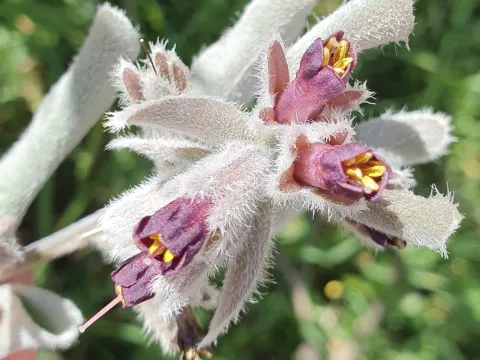
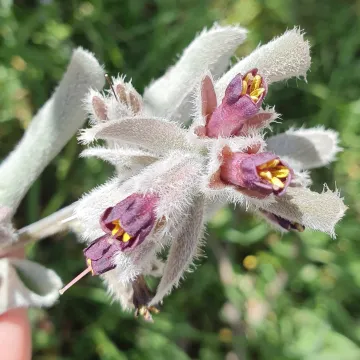
Botanically, the plant features an erect stem typically growing up to 60-80 cm, covered in pubescence. The leaves are arranged alternately, often forming a dense basal rosette. The inflorescence consists of tubular flowers that range in color from purple to deep red, providing a significant visual interest during the flowering period.
Cultivation requirements demand well-drained, lime-rich soil to prevent root issues common in the Boraginaceae family. While the plant prefers sunny exposures, it requires moisture balance during its peak growing season. Growers often implement light mulching to maintain soil structure and protect the root system from rapid temperature fluctuations.
The primary use of Solenanthus tubiflorus is in ornamental horticulture, specifically for rock gardens and naturalistic landscape designs. Regarding plant health, the species is susceptible to root rots caused by excessive moisture and may be targeted by aphids or leaf-feeding beetles. Integrated pest management (IPM) is recommended to ensure robust growth.
Photo gallery