Tall goldenrod
Solidago altissima
Description
Tall goldenrod (Solidago altissima) is a robust perennial herb belonging to the Asteraceae family. In agronomic contexts, this species is recognized for its high biomass production and its significant value as a late-season honey source. The plant is characterized by its tall, erect stems and aggressive growth habit, which allows it to establish dense colonies in various environmental settings.
Native to North America, the tall goldenrod has become naturalized in numerous temperate regions across the globe. Its ability to thrive in diverse habitats—ranging from meadows to disturbed roadsides—demonstrates its superior ecological adaptation. This hardiness makes it a reliable crop choice for land reclamation projects and sustainable agricultural systems.
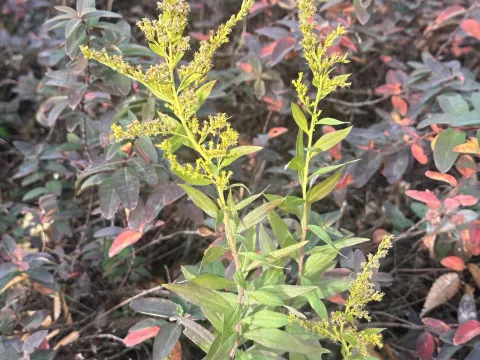
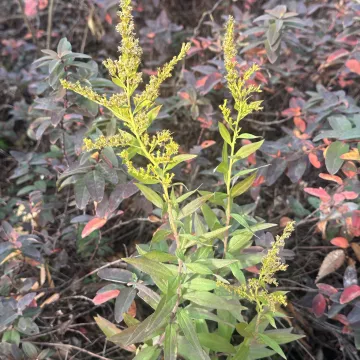
Botanically, Solidago altissima features lanceolate, pubescent leaves and distinct yellow flower heads arranged in terminal panicles. The extensive rhizomatous root system allows the plant to persist through harsh winters and regenerate vigorously each spring. Its blooming period, spanning from late summer through autumn, is essential for pollinators preparing for winter dormancy.
Cultivation requirements for tall goldenrod are relatively modest. It flourishes in full sun to partial shade and adapts to a wide range of soil types, though deep, moist, and fertile soils promote the highest yield. Agronomic practices should focus on managing the plant's spread, as its rhizomes can quickly colonize adjacent areas if not monitored. Harvesting for commercial use should coincide with peak flowering to ensure the highest quality of active biological compounds.
The economic applications of tall goldenrod are multifaceted:
- Apiculture: Provides critical late-season nectar and pollen for bees.
- Phytopharmaceuticals: Harvesting for extraction of medicinal compounds.
- Erosion control: Its deep roots stabilize soil in sloping terrains.
- Bioenergy: Potential for use as a sustainable feedstock for biomass energy.
Regarding plant health, tall goldenrod is generally resilient; however, it can be susceptible to powdery mildew and rust during periods of high humidity or poor air circulation. Integrated pest management, focusing on proper spacing and weed control, is effective in preventing these issues. Periodic scouting for insect pests, such as aphids or leaf beetles, is recommended to maintain optimal plant vitality.
Photo gallery