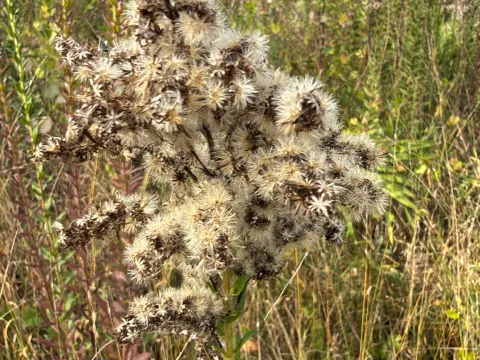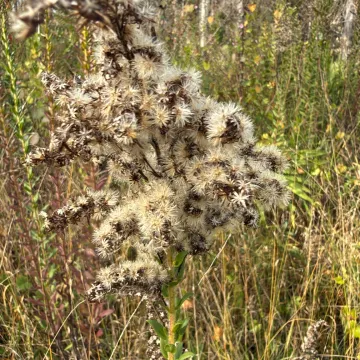
Solidago fistulosa
Solidago fistulosa
Description
Solidago fistulosa, commonly referred to as the pine barren goldenrod, is a perennial flowering plant belonging to the Asteraceae family. This species is highly regarded for its adaptability to wetland environments and its vibrant inflorescences, which play a crucial role in supporting local ecosystems and biodiversity.
The plant originates from the coastal plains of the southeastern United States. It naturally thrives in moist to wet habitats, such as pine barrens, wetlands, and the margins of swamps. Its ability to tolerate wet soil conditions makes it a valuable species for ecological restoration and specialized landscaping projects where drainage is poor.
Botanically, this goldenrod species is characterized by its upright, unbranched or sparsely branched stems that can grow up to 1.5 meters in height. The leaves are distinctively lance-shaped and clasping, while the small yellow flower heads are arranged in dense, plume-like clusters. The blooming period typically spans from late summer through autumn, providing late-season color.
When it comes to agronomy and cultivation, Solidago fistulosa requires consistent moisture to thrive. It is best suited for sites with high organic matter content and prefers slightly acidic soil profiles. While it is highly resistant once established, initial planting requires attention to weeding to ensure that the young seedlings are not overwhelmed by more aggressive vegetation.
The primary agricultural and economic use of this plant is focused on its value as a honey crop and a tool for phytoremediation in swampy regions. Farmers and gardeners should monitor for common issues such as powdery mildew or rust, especially in humid conditions. Regular spacing and adequate airflow around the plant canopy are essential measures to maintain long-term crop health.
Photo gallery