Mougeot's whitebeam
Sorbus mougeotii
Description
Mougeot's whitebeam (Sorbus mougeotii) is a deciduous tree belonging to the Rosaceae family. Often recognized as a distinct mountain-dwelling species, it is highly valued in horticulture for its resilience, structural elegance, and seasonal interest, making it a popular choice for temperate climate gardens.
Originating from the mountain ranges of Central and Western Europe, specifically the Alps and the mountains of France, this species is naturally adapted to rugged terrain and cool temperatures. Its historical distribution indicates a high tolerance for elevation and various mountain soil profiles, which translates well to diverse gardening environments.
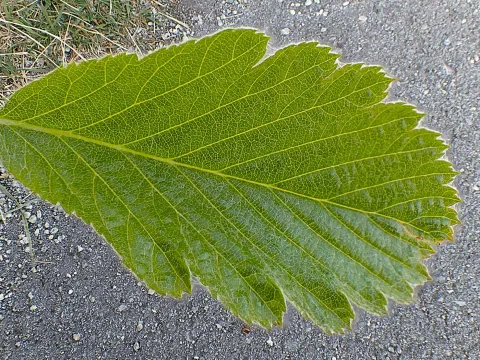
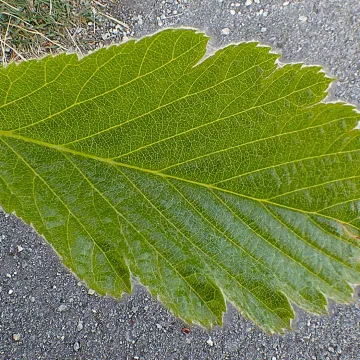
Botanically, the species is defined by its tough, leathery leaves with a distinct white-felted underside, providing a pleasant textural contrast in the landscape. The tree typically maintains a compact, upright habit. Clusters of white flowers appear in late spring, followed by persistent, bright red fruit that remains decorative well into the autumn and winter months.
Regarding agrotechnical requirements, the tree thrives in full sun to partial shade. It is remarkably adaptable to different soil types, including chalky or limestone-based soils, provided they are well-drained. It requires minimal intervention once established, showing excellent resistance to harsh weather conditions, including frost and periodic dry spells.
In terms of practical utility, it is primarily used as an ornamental tree in urban street planting, parks, and large gardens. Due to its robustness, it is often chosen for areas that require low-maintenance greenery. Furthermore, the berries are a reliable food source for local bird populations during the winter, contributing significantly to local ecosystem health.
- Exceptional tolerance to cold and wind exposure.
- Compact growth habit suitable for smaller spaces.
- Resilience to urban pollution and poor soil conditions.
- Low maintenance requirements after planting.
Photo gallery