Late rowan
Sorbus serotina
Description
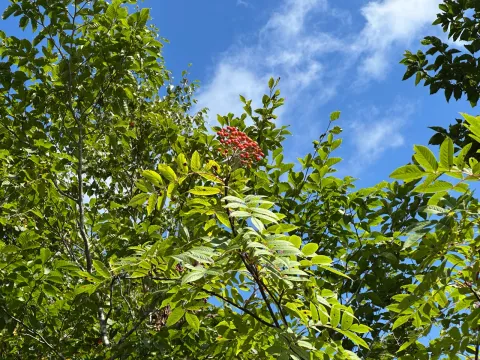
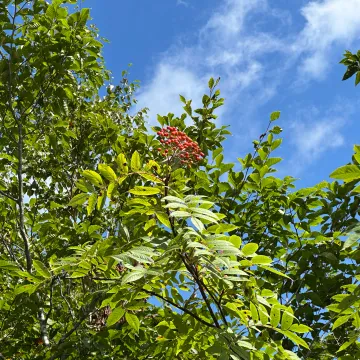
Late rowan (lat. Sorbus serotina) is a perennial woody plant belonging to the Rosaceae family. This species is distinguished from other rowans by its specific phenological cycle, characterized by a significantly later onset of flowering and fruit ripening. Its unique development timing makes it a notable specimen in botanical collections and specialty nurseries.
The plant originates from parts of East Asia, where it grows naturally in mixed forests and on mountainous slopes. In terms of cultivation, it is primarily found in regions with temperate climates. Its adaptability allows it to be used in landscape architecture as a specimen tree that offers late-season visual interest when other deciduous plants have already lost their foliage or fruits.
Botanically, Sorbus serotina presents with a well-structured crown and pinnately compound leaves. The fruits, which appear in corymbs, are small pome-like berries that transition through specific color phases during ripening. The root system is robust and fibrous, contributing to the tree's overall stability and efficient nutrient uptake in various soil compositions.
Regarding cultivation, this species thrives in well-drained, fertile loamy soils. It prefers locations with full sun or partial shade and protection from harsh, drying winds. Essential agronomic practices include routine structural pruning to maintain its shape, balanced fertilization during the spring growth flush, and adequate moisture management, especially during the fruit-set stage.
The primary use of the late rowan is ornamental gardening and park landscaping, although it holds potential for fruit research. Like other members of its genus, it is susceptible to several environmental and biological pressures, including:
- Fungal diseases such as apple scab and powdery mildew.
- Damage from specific insect pests like rowan moth larvae and aphids.
- Root stress caused by poor soil drainage and waterlogging.
Photo gallery