Spananthe paniculata
Spananthe paniculata Jacq.
Description
Spananthe paniculata is an annual herbaceous species classified within the Apiaceae (carrot or parsley) family. This plant serves as an interesting subject in botanical research due to its unique growth habit and its role in the ecosystem of tropical American forest understories. It is a niche species that exhibits classic traits of its family while maintaining a distinct evolutionary profile.
The native range of this plant extends through the tropical regions of Central and South America. It typically inhabits moist, shaded areas such as forest edges and riverbanks. These natural environments provide the stable, humid conditions required for the plant to complete its lifecycle, which is characterized by a rapid vegetative growth phase followed by prolific flowering.
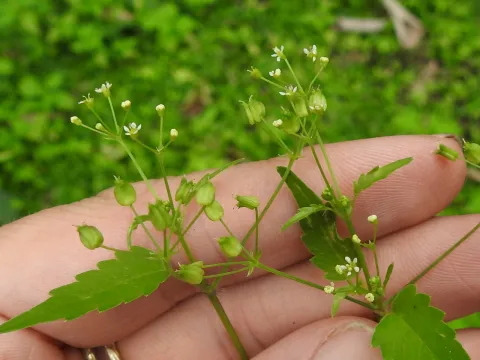
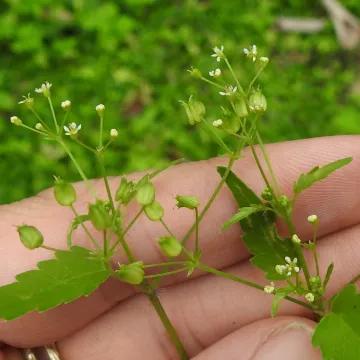
Botanically, Spananthe paniculata displays slender stems and finely divided leaves, which are typical of many Apiaceae members. The inflorescence, a panicle consisting of small compound umbels, is its most defining characteristic. The plant relies on its structure to optimize pollen dispersal in calm, forest-floor microclimates where airflow is generally restricted.
Cultivation of this species requires meticulous attention to environmental parameters. It thrives in loamy, nutrient-dense soils that retain moisture without becoming waterlogged. High humidity is essential, and growers should aim to simulate a tropical environment. Direct, intense sunlight should be avoided, as the species is adapted to partial shade conditions to prevent desiccation of the delicate foliage.
Regarding its utility, the plant is primarily of botanical interest, though it may hold potential in specialized horticultural displays. Management of this species involves:
- Ensuring consistent substrate moisture levels.
- Providing adequate protection from wind and direct sunlight.
- Monitoring for fungal pathogens common to Apiaceae in high-humidity environments.
- Implementing integrated pest management for spider mites or aphids if grown in greenhouses.
Photo gallery