American bur-reed
Sparganium americanum
Description
American bur-reed (Sparganium americanum) is a perennial aquatic plant classified within the Typhaceae family. It is widely recognized for its specialized ecological niche as a helophyte, meaning it is specifically adapted to water-saturated soil environments found in marshes, ponds, and slow-moving streams.
The native distribution of this species covers a significant portion of North America. It thrives in diverse temperate climates, demonstrating high resilience to varying water depths. The plant is frequently utilized in environmental restoration projects due to its ability to colonize disturbed wetland areas and provide necessary structural diversity for local wildlife.
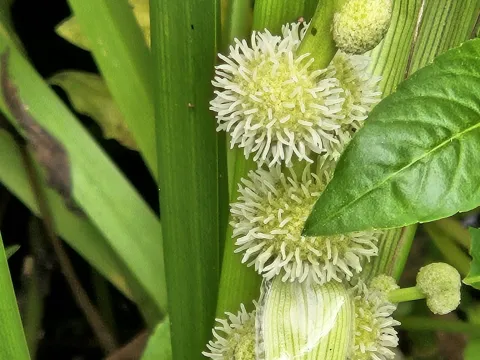
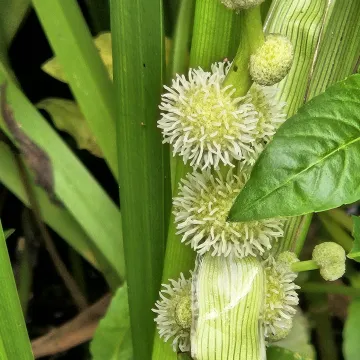
Botanically, the American bur-reed is characterized by its rhizomatous root system, which supports tall, upright, linear leaves. The inflorescence consists of distinct globular heads, distinguishing the plant from other wetland species. These ball-like clusters contain both staminate and pistillate flowers, facilitating effective reproduction within its habitat.
Cultivation requirements for this crop center on consistently wet, organic-rich soil substrates. It prefers full sun to partial shade. When managed as an agricultural or restoration crop, spacing and water depth control are essential to prevent excessive stagnation while promoting the robust vegetative spread of the rhizomes.
- Bio-remediation of contaminated water bodies.
- Erosion control along shorelines and riverbanks.
- Wildlife habitat enhancement for waterfowl.
- Sustainable biomass production in wetland zones.
The plant is relatively hardy; however, it can be susceptible to specific aquatic pathogens and leaf-spotting fungi in overcrowded conditions. Effective management involves monitoring for pest infestation and ensuring adequate water circulation to maintain plant health. Proper agricultural oversight ensures that the population remains productive and ecologically stable.
Photo gallery