Sparganium antipodum
Sparganium antipodum
Description
Sparganium antipodum, commonly known as a type of bur-reed, is a perennial aquatic plant belonging to the Typhaceae family. In agricultural and environmental studies, it is recognized as a significant hydrophytic species capable of thriving in marshy environments and shallow freshwater ecosystems.
The plant is native to New Zealand, where it occupies specific ecological niches along lake margins, slow-moving streams, and wetlands. Its geographic distribution is strictly linked to temperate climate zones where the water temperature and moisture levels remain relatively constant throughout the active growing season.
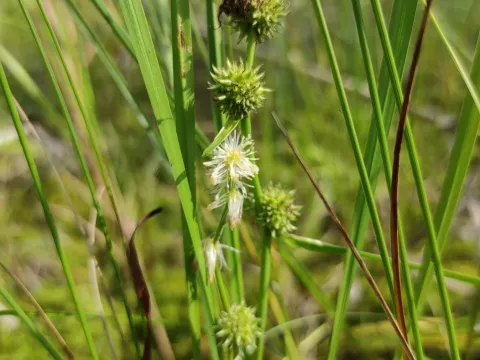
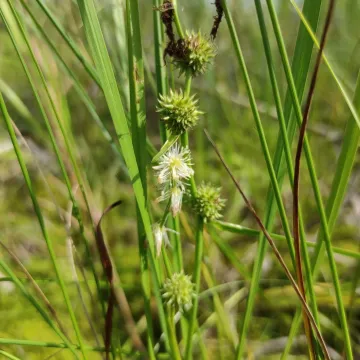
Botanically, this species is characterized by its stiff, linear leaves and distinct globular flower heads. The root system is rhizomatous, allowing the plant to spread horizontally and form dense colonies. This structure not only aids in vegetative propagation but also provides stability in soft, saturated substrates.
Cultivation requirements for Sparganium antipodum focus on hydrological management. It requires consistently saturated soil or shallow water conditions. From an agronomic perspective, nutrient-rich, organic-based soils are preferred. Proper water level control is critical to prevent the desiccation of the rhizomes and to promote healthy biomass accumulation.
The primary economic use of this plant includes shoreline stabilization, erosion control, and bio-remediation of water bodies due to its ability to uptake excess nutrients. Potential pests include leaf-feeding beetles and specialized aquatic larvae, while plant diseases are primarily fungal, often manifesting under stagnant water conditions or overcrowding.
Photo gallery