Spermacoce alata
Spermacoce alata Aubl.
Description
Spermacoce alata is a perennial herbaceous plant classified within the Rubiaceae family. In agronomy, it is often viewed as a fast-growing, resilient species that can serve as a forage resource or a medicinal botanical, though it is frequently managed as an invasive weed in various tropical agricultural systems.
The native range of this plant encompasses Central and South America, where it thrives in humid tropical conditions. Over time, it has spread significantly across regions in Africa and Asia, showcasing its ability to colonize diverse ecological niches and disturbed soils with remarkable speed and adaptability.
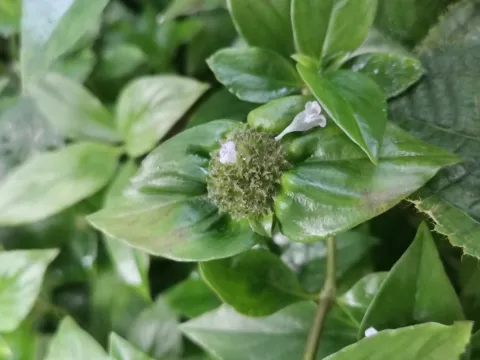
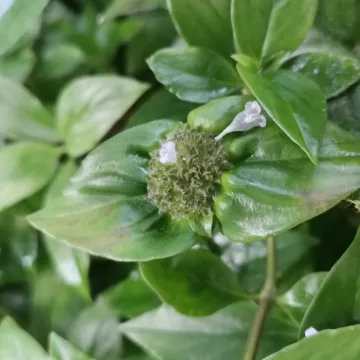
Botanically, the plant is distinguished by its characteristic four-angled, winged stem, from which the name alata is derived. The leaves are opposite and lanceolate with prominent venation. Its small flowers, typically white or pale pink, are clustered in dense terminal or axillary inflorescences, displaying the classic floral structure found in the Rubiaceae family.
The plant demonstrates moderate soil requirements, preferring moist, well-drained substrates while maintaining tolerance to periodic waterlogging. Effective cultivation management requires monitoring the plant's density, as its rapid growth rate can lead to the displacement of other crops if not properly contained within designated agricultural fields.
Its primary uses include traditional pharmaceutical applications for inflammation and as a supplemental forage component in tropical pasture systems. Common agricultural threats include fungal infections during high-humidity seasons and pest infestations, such as spider mites and tropical aphids. Proper pest management remains essential for maintaining healthy stands of this species in semi-cultivated environments.
Photo gallery