Spermacoce ocymifolia
Spermacoce ocymifolia
Description
Spermacoce ocymifolia is a perennial herbaceous plant belonging to the large and diverse Rubiaceae family. It is known for its resilient nature and adaptability to tropical climates, which has drawn interest from both botanical researchers and the pharmaceutical industry interested in its phytochemical properties.
The plant originates from the tropical regions of Central and South America. Its native range extends through various Caribbean territories and northern South American countries. Due to its tropical origins, the plant requires specific environmental conditions that mimic its natural habitat to thrive in a controlled agricultural or experimental setting.
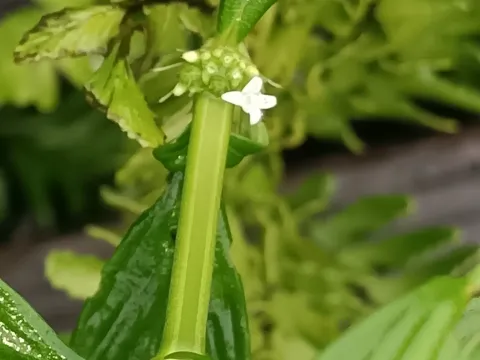
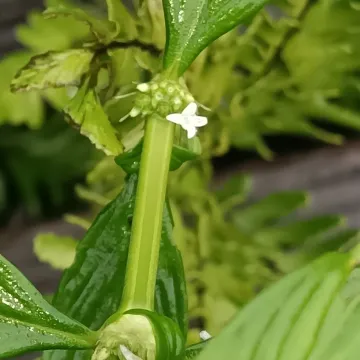
Botanically, Spermacoce ocymifolia is characterized by upright, frequently branched stems and opposite leaves that resemble those of the basil plant. The flowers are generally clustered in dense, terminal or axillary inflorescences. These features allow the plant to maximize photosynthetic efficiency in competitive tropical environments while ensuring effective pollination by local insect species.
Regarding cultivation, the plant demands warm temperatures year-round, as it lacks frost tolerance. It thrives in well-drained, nutrient-rich soils with a slightly acidic to neutral pH. Agricultural management practices should focus on maintaining consistent soil moisture, as the plant is susceptible to stress during prolonged dry spells which significantly reduce its productivity.
The economic and practical utility of this species includes:
- Extraction of bioactive compounds for pharmacological research.
- Development of traditional medicinal preparations.
- Studies on the ecological roles of the Rubiaceae family in biodiversity conservation.
Typical plant health issues involve fungal pathogens like powdery mildew, which thrive in humid conditions, and pests such as aphids or spider mites. Effective farm management requires ensuring proper plant spacing for airflow and the use of integrated pest management (IPM) strategies to maintain crop health without the excessive use of synthetic chemicals.
Photo gallery