Spermacoce subvulgata
Spermacoce subvulgata
Description
Spermacoce subvulgata is a herbaceous plant species belonging to the Rubiaceae family. While many members of this genus are identified as wild flora, certain species like Spermacoce subvulgata are recognized in specific tropical regions for their agricultural potential and role in local ecosystems.
The plant originates from the tropical regions of Central and South America. Its native distribution range is characterized by warm, humid climates, which dictate its environmental preferences. Cultivation efforts are primarily localized, aiming to utilize the plant's resilience and capacity to thrive in tropical soil conditions.
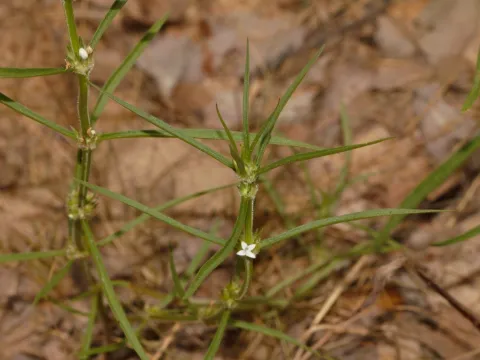
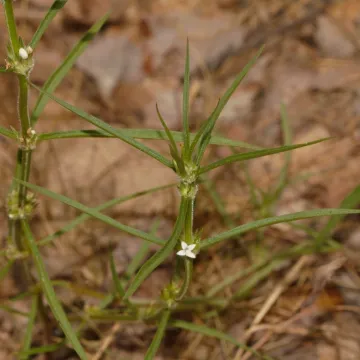
Botanically, it is defined by its branching stems and opposite leaves, typical of the Rubiaceae family. The plant produces dense, small flower clusters that play a crucial role in its reproductive cycle. Its architectural habit allows it to form a dense canopy, which can be beneficial in certain agricultural management practices.
To achieve optimal growth, Spermacoce subvulgata requires well-drained, fertile soils with a balanced nutrient profile. It performs best in environments with consistent rainfall and adequate sunlight. Agronomic management involves site preparation that ensures soil aeration and the removal of competing weeds during the seedling establishment phase.
The primary agricultural utility of the plant includes its contribution to soil stabilization and its use as a biomass source. Given its growth characteristics, it is often studied for its potential in sustainable land management. Common challenges in production include managing localized pest outbreaks and preventing foliar fungal diseases common in high-humidity environments.
Photo gallery