Spermacoce tenella
Spermacoce tenella
Description
Spermacoce tenella is a herbaceous plant belonging to the Rubiaceae family. This species is recognized for its unique adaptation to tropical ecosystems, where it functions as a low-growing perennial or annual plant. It is a part of the diverse and large family that includes many economically important species, ranging from coffee to ornamental shrubs.
The plant is native to the tropical regions of the Americas. Its natural range encompasses diverse habitats, including forest fringes and open, sunny grasslands. Due to its evolutionary history, it has developed a robust tolerance to the high temperatures and fluctuating moisture levels typical of tropical climates.
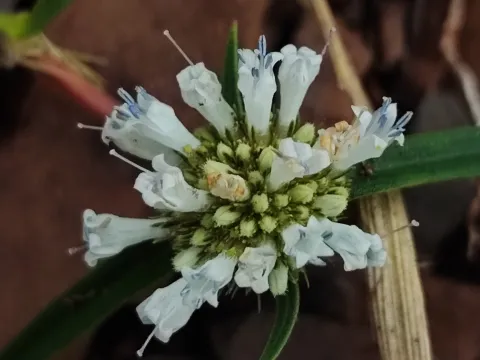
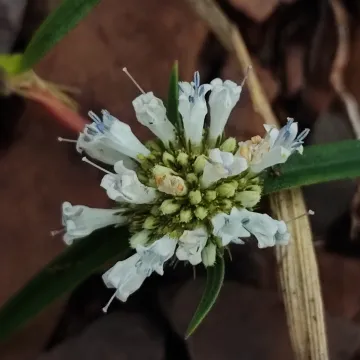
Botanically, Spermacoce tenella features slender, branched stems and opposite leaves. The flowers are generally small, white or pale, organized in dense clusters known as heads, which are typical for the Spermacoce genus. The seeds are small and lightweight, facilitating spread in various environments.
Cultivation requirements involve well-draining, nutrient-rich soil with a neutral pH level. For successful growth, the plant requires consistent moisture but cannot tolerate waterlogging, which often leads to root rot. Providing sufficient light is crucial for maintaining the plant's health and density, although it prefers sheltered positions in extremely hot weather.
Regarding agricultural and economic use, this plant is primarily studied for its potential medicinal properties and phytochemical profile. It is also occasionally used in experimental botany. Common pests include aphids and spider mites, while diseases primarily include leaf spot and fungal root rot, which are often mitigated by ensuring proper air circulation and controlled irrigation practices.
Photo gallery