Sphaeralcea cuspidata
Sphaeralcea cuspidata
Description
Sphaeralcea cuspidata, commonly known as a type of globe mallow, is a perennial herbaceous plant or subshrub belonging to the Malvaceae family. It is recognized for its remarkable resilience and its ability to thrive in harsh, arid environments where many other species would struggle to survive.
The plant originates from the arid regions of North America, particularly in the southwestern United States and northern Mexico. Its natural habitat includes prairies, rocky slopes, and roadsides, where it has evolved to withstand high temperatures and erratic rainfall patterns by developing efficient water conservation mechanisms.
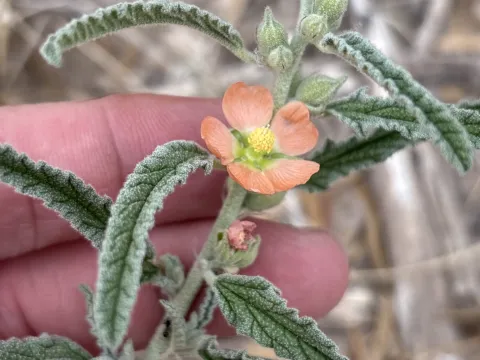
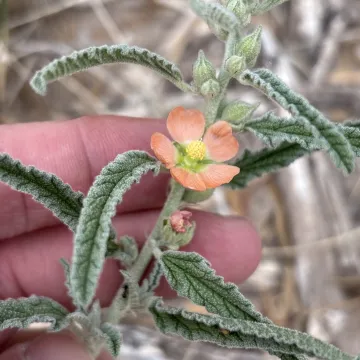
From a botanical perspective, the plant features gray-green pubescent foliage that reflects sunlight and reduces transpiration. Its stems are generally upright, and it produces small, vibrant, cup-shaped flowers typically in shades of orange or reddish-apricot, which are characteristic of the Sphaeralcea genus.
Regarding agrotechnical requirements, it demands excellent soil drainage and full sun exposure. It is highly intolerant of wet, heavy soils, which can quickly lead to root rot. Successful cultivation relies on replicating its native conditions: low organic matter, sandy or rocky substrates, and minimal irrigation once the plant is established.
The primary agricultural and landscape uses for this species include:
- Xeriscaping and low-water garden design.
- Erosion control on slopes and unstable soil banks.
- Restoration of degraded rangelands.
- Providing essential nectar resources for native pollinators.
The plant is relatively resistant to major pests and diseases if managed under correct moisture regimes. Overwatering remains the most critical error, often triggering fungal pathogens in the root zone. In dry climates, the plant typically remains healthy with little to no chemical intervention required.
Photo gallery