Sphaeranthus mollis
Sphaeranthus mollis
Description
Sphaeranthus mollis is an herbaceous species belonging to the Asteraceae family. It is recognized in agricultural and botanical studies for its medicinal properties, primarily used in the production of herbal supplements and traditional medicinal formulations in tropical regions.
The origin and natural distribution of this plant are primarily centered in South Asia and Southeast Asia. It thrives in tropical climates and is frequently observed growing in wetlands, paddy fields, and areas characterized by high humidity levels, making it a natural colonizer of riparian environments.
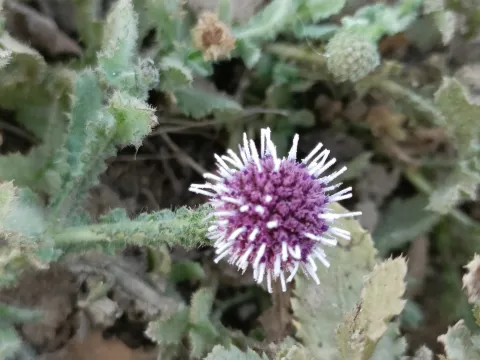
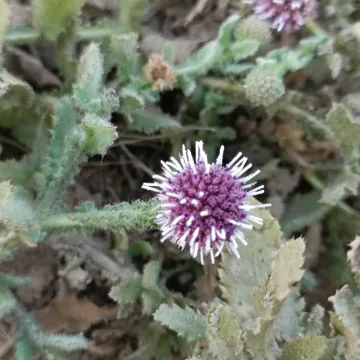
Botanically, Sphaeranthus mollis is characterized by its winged stems and oblong, dentate leaves. Its most distinctive feature is the terminal, globose flower heads that possess vibrant coloration. The plant displays an annual growth habit and is biologically programmed for rapid development during the monsoon seasons.
The agronomic requirements for this crop focus on moisture management and soil quality. It demands high water availability and fertile, nutrient-dense soil to reach its peak biomass. Proper spacing is essential to prevent overcrowding, which can facilitate the spread of fungal pathogens in humid, warm growing conditions.
- Requires consistent irrigation for optimal development.
- Prefers loamy or clay-rich soil with high organic content.
- Susceptible to root rot if drainage is insufficient.
- Targeted by common leaf-eating insects.
Economically, the plant is harvested for its phytochemical content, particularly for its antimicrobial and anti-inflammatory potential. To ensure a high-quality yield, producers must implement pest control strategies early in the season and maintain careful harvesting schedules to preserve the integrity of the active volatile oils within the flowers.
Photo gallery