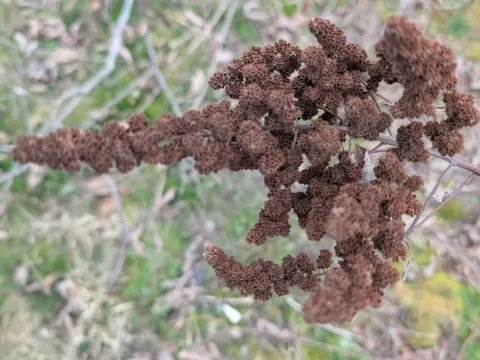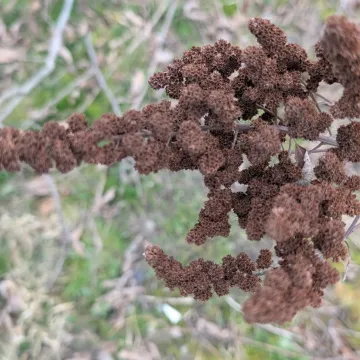

Douglas spirea
Spiraea douglasii
Description
Douglas spirea (Spiraea douglasii) is a perennial deciduous shrub belonging to the Rosaceae family. Known for its hardiness and vibrant appearance, this plant is a staple in many temperate-zone gardens and landscaping projects. It typically grows as an upright shrub, reaching heights of up to 2 meters, and tends to form dense colonies due to its spreading root system.
Originating from western North America, this species is naturally adapted to moist environments, such as stream banks and forest edges. Its high adaptability has allowed it to be cultivated successfully across various global regions. It is highly valued by growers for its ability to thrive in diverse soil conditions and its resistance to harsh winter climates.
The botanical profile of the plant features lance-shaped leaves with a distinctive silvery-tomentose underside. During the mid-to-late summer, the shrub produces showy, terminal panicles of rose-pink to deep magenta flowers. These blossoms are not only attractive to human observers but are also highly beneficial to local pollinator populations, such as bees and butterflies.
Regarding agrotechnical requirements, Douglas spirea prefers full sun to light shade and thrives in moist, well-drained soils. While it is quite forgiving, regular pruning is essential for optimal performance. Removing old canes in early spring encourages vigorous new growth, which ensures a more profuse flowering display later in the season.
In landscaping and horticulture, the plant is primarily used for hedges, erosion control on slopes, and as a filler for large garden areas. Common pests and diseases include aphids and leaf-rolling insects, as well as occasional powdery mildew if air circulation is poor. Keeping the plant properly pruned and avoiding excessive crowding are the best cultural practices to prevent these issues.
Photo gallery