Sporobolus elongatus
Sporobolus elongatus
Description
Sporobolus elongatus is a perennial grass species belonging to the Poaceae family. Known for its resilience and adaptability, this species is highly valued in regions where extreme environmental conditions limit the selection of productive forage crops.
Originating from tropical and subtropical areas, specifically native to Australia and parts of Asia, this grass thrives in open woodlands and grasslands. Its geographic distribution is defined by warm climates, and it has been studied for its ability to persist in environments characterized by variable, often scarce, rainfall patterns.
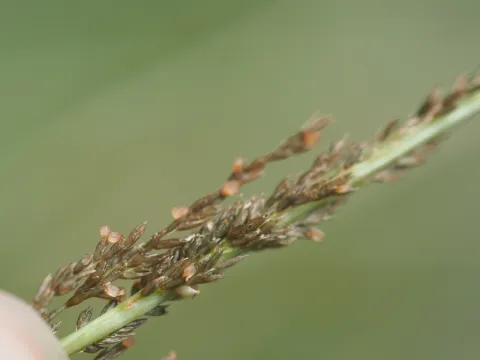
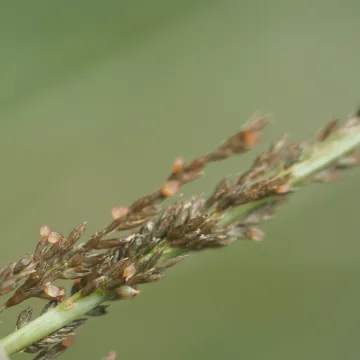
Botanically, it is a tufted, perennial bunchgrass with slender, stiff leaves and long, upright stems. Its dense root system is a key feature, allowing it to survive in compacted or nutrient-poor soils. The inflorescence is a distinct, elongated panicle, which gives the plant its scientific epithet and makes it easily identifiable during the flowering stage.
Agronomic requirements emphasize the need for well-drained, neutral to slightly acidic soils. The plant is exceptionally drought-tolerant but suffers in waterlogged conditions, which can lead to root decay. Successful cultivation relies on sunlight exposure, as shade significantly reduces plant vigor and tiller production. Minimal fertilization is generally required to maintain the stand, making it a low-input crop.
The primary agricultural and ecological applications include:
- Grazing management in arid and semi-arid pastoral systems.
- Soil stabilization and erosion control on vulnerable slopes.
- Integration into restoration projects for degraded grazing lands.
- Maintenance of biodiversity in mixed pasture ecosystems.
While relatively robust, the crop is susceptible to certain fungal pathogens such as rust, especially in seasons with unusually high humidity. Insect pests such as grasshoppers and larvae may occasionally affect biomass production. Effective management strategies focus on rotational grazing to maintain the plant's health and prevent excessive defoliation during the peak growth season.
Photo gallery