Star apple
Chrysophyllum cainito L.
Description
Star apple (Latin: Chrysophyllum cainito L.) is a tropical evergreen tree belonging to the Sapotaceae family. Highly regarded for its aesthetic value and delicious fruit, it has become a significant agricultural crop in various tropical zones across the globe.
Originating from the West Indies and Central America, the tree has successfully spread to tropical regions in Asia and South America. It is extensively cultivated in countries where the climate remains warm throughout the year, as the plant is highly sensitive to frost and cannot tolerate freezing temperatures for extended periods.
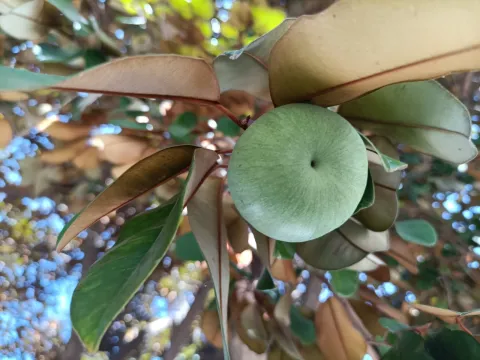
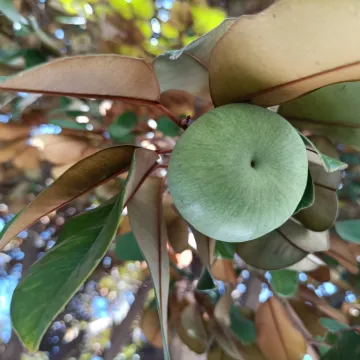
Botanically, the star apple is a fast-growing tree that can reach heights of up to 20 meters. Its foliage is notably ornamental, featuring dark green glossy leaves on the top and a striking coppery-gold pubescence on the underside. The fruit, when sliced horizontally, reveals a translucent, star-shaped pattern in the center, which serves as a signature characteristic of the species.
The agronomic success of this crop relies on rich, well-draining soils with a slightly acidic to neutral pH level. Key requirements include:
- A warm, humid tropical climate with minimal seasonal fluctuation.
- Consistent irrigation, especially during the early growth stages.
- Protection from high-velocity winds to prevent branch breakage.
- Regular pruning to maintain an open canopy structure for better light penetration.
In terms of economic use, the fruit is widely consumed fresh and is popular in regional fruit markets. The timber of the tree is also utilized for construction and decorative woodworking. Growers must remain vigilant against pests such as mealybugs and aphids, while ensuring proper soil drainage is maintained to prevent root rot, which is the most common pathology in poorly managed plantations.
Photo gallery