Long-stalked starwort
Stellaria longissima
Description
Long-stalked starwort (Stellaria longissima) is a perennial herbaceous plant belonging to the Caryophyllaceae family. As an adaptive species, it occupies specific ecological niches in high-latitude environments, playing a key role in the stability of wetland and meadow plant communities.
The geographic range of this species extends across the circumpolar regions, including northern parts of North America and Eurasia. It is predominantly found in moist, organic-rich environments such as marshes, riverbanks, and damp meadows, where it thrives in cool and humid conditions.
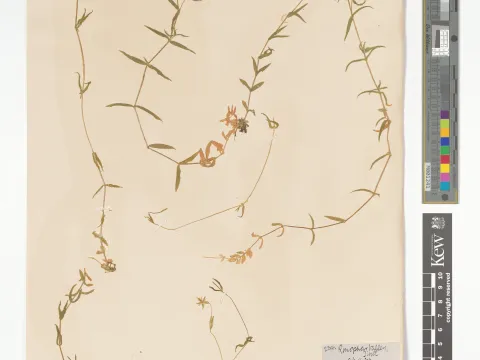
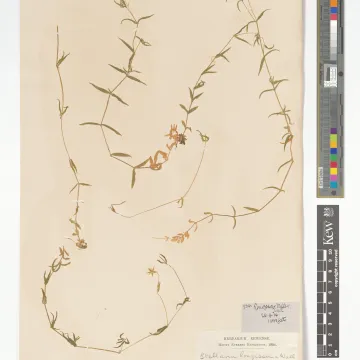
From a botanical perspective, the plant is characterized by slender, elongated stems and narrow leaves. The root system is stoloniferous, allowing the plant to spread vegetatively and colonize suitable patches of land effectively. Its white flowers are relatively small, and the reproductive cycle is adapted to short, cool growing seasons.
Cultivation requirements focus heavily on soil moisture management. It grows best in soils that remain consistently moist, such as loams or histosols. Because the species is naturally adapted to cool environments, it is generally resistant to late spring frosts, although it does not tolerate dry periods well, which can lead to rapid decline in biomass.
In terms of agricultural utility, it is primarily viewed as a component of natural pastureland. Managing the health of this plant involves monitoring for potential issues:
- Fungal pathogens such as rusts that thrive in high humidity.
- Damage from leaf-eating insect larvae.
- Competition from taller, more aggressive rhizomatous grasses.
Photo gallery