Stellera chamaejasme
Stellera chamaejasme
Description
Stellera chamaejasme is a perennial herbaceous plant belonging to the Thymelaeaceae family. In agricultural terms, it is often identified as a rangeland weed, particularly in overgrazed areas, but it remains a significant subject of botanical and medicinal research due to its unique chemical composition.
The plant originates from the high-altitude meadows and dry steppes of Central and East Asia, including China, Mongolia, and the Himalayan regions. It is highly resilient, capable of thriving in nutrient-poor soils and extreme temperature variations, which makes it a dominant species in degraded grassland ecosystems.
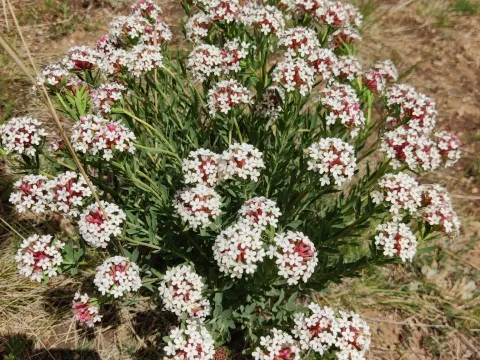
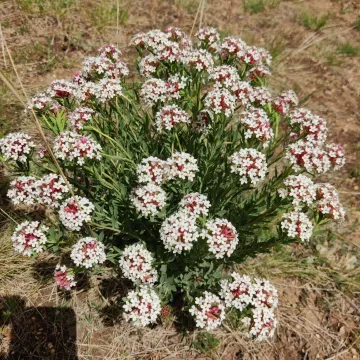
Botanically, the plant is characterized by a strong, woody taproot system that aids in stabilizing soil on mountain slopes. Its leaves are linear-lanceolate, arranged alternately along the erect stems. During its flowering phase, it produces clusters of fragrant, showy flowers that range in color from white to deep pink, adding ornamental value to its natural habitat.
Regarding climate and soil, the plant is extremely undemanding, preferring well-drained, sunny locations. In agricultural practice, managing this species is crucial, as it is toxic to livestock and can severely reduce the productivity of grazing lands. Effective control methods usually involve mechanical removal and strategic grazing management to prevent its spread.
The economic and practical use of Stellera chamaejasme is centered on its medicinal properties. Traditional medicine in Tibet and other Asian regions has utilized the roots for their anti-inflammatory and antiviral qualities. Furthermore, modern research is exploring the development of organic pesticides derived from the plant's extracts, offering a sustainable alternative to synthetic chemicals.
- Exceptional environmental adaptability
- Valuable source of medicinal compounds
- Potential use in sustainable pest control
- Critical role in soil erosion prevention
Photo gallery