Stoebe vulgaris
Stoebe vulgaris
Description
Stoebe vulgaris is a perennial subshrub belonging to the Asteraceae family. Known primarily for its unique texture and durability, this plant is a popular choice in professional floristry and landscape design, particularly in regions where drought-tolerant species are required.
The origin of this species is rooted in arid regions, where it has evolved to survive with minimal water resources. Its natural habitat is characterized by well-drained soils and high sun exposure, which has allowed the plant to develop a highly efficient physiological system for nutrient and water conservation.
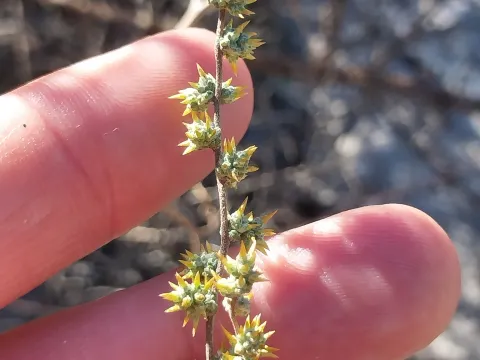
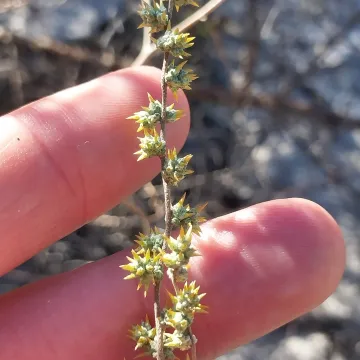
Botanically, Stoebe vulgaris is distinguished by its branched, woody stems and small, often scale-like leaves. The plant produces dense inflorescences that maintain their structure and aesthetic appeal long after harvesting, making it a valuable commercial crop for the dry flower industry.
Regarding soil and climate requirements, the plant thrives in sandy or rocky substrates with excellent drainage. It is highly sensitive to waterlogging, which is a major factor in its cultivation. Full sun is essential for optimal growth, ensuring the plant maintains its compact, sturdy form throughout the season.
The agrotechnology for this crop focuses on preventing moisture-related issues. Maintenance practices include:
- Regular soil aeration to prevent compaction.
- Minimal fertilization to avoid excessive succulent growth.
- Monitoring for common Asteraceae pests like aphids or spider mites.
- Preventative treatment against fungal diseases during humid periods.
Photo gallery