Benzoin tree
Styrax benzoin Dryand.
Description
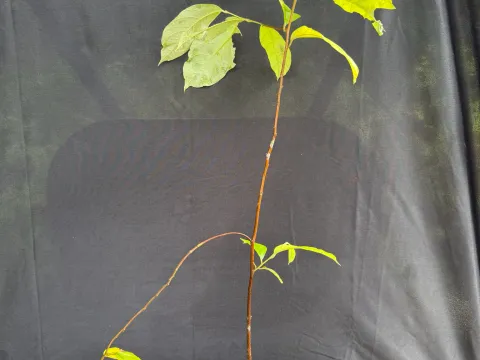
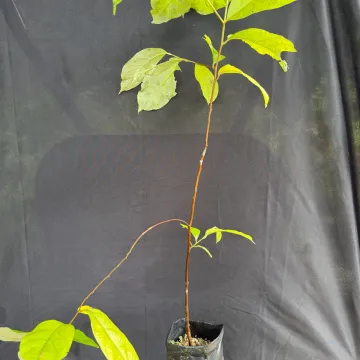
The benzoin tree (Styrax benzoin) is a significant agricultural crop belonging to the Styracaceae family. It is primarily cultivated for its aromatic resin, known commercially as benzoin or storax. This evergreen tree is a staple of tropical silviculture, highly valued for its socio-economic importance in Southeast Asia, where it has been harvested for centuries.
Originating from the tropical rainforests of Southeast Asia, the species is predominantly cultivated in the Sumatra region of Indonesia. It thrives in humid, equatorial climates characterized by high temperatures and consistent rainfall throughout the year. The plant is essentially a forest species, showing optimal growth when sheltered from intense, direct solar radiation during its juvenile stages.
From a botanical perspective, Styrax benzoin is characterized by simple, alternate leaves and clusters of fragrant white flowers. The fruit is a drupe containing the seeds. A unique physiological feature of this tree is its resin secretion mechanism: it produces a viscous balsamic resin in the bark, which is triggered as a stress response to deliberate incisions made by the farmers in the trunk.
Agricultural practices for this crop focus on soil fertility and careful forest management. The trees require well-drained, nutrient-rich soils to maximize resin yield. Farmers usually propagate the trees from seeds and maintain the plantations in a way that mimics natural forest conditions, ensuring that the harvest cycles are sustainable and do not jeopardize the overall health of the tree population.
The economic value of the benzoin tree lies in its resin, which is a staple in the perfume industry, pharmaceutical ointments, and incense manufacturing. Regarding plant health, the crop is susceptible to various fungal pathogens that can infect the bark wounds if harvesting tools are not properly sanitized. Additionally, wood-boring insects present a constant challenge, requiring integrated pest management strategies to maintain plantation productivity.
Photo gallery