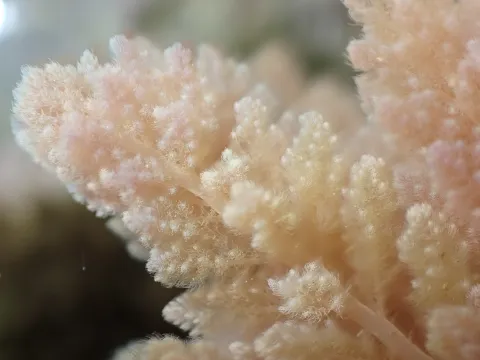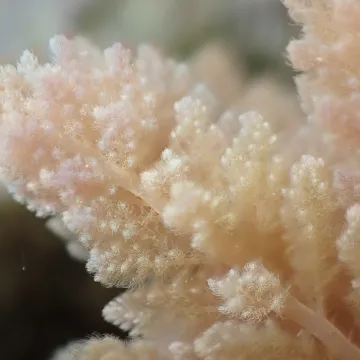
Asparagopsis taxiformis
Asparagopsis taxiformis (Delile) Trevisan
Description
Asparagopsis taxiformis is a species of red algae belonging to the Bonnemaisoniaceae family. Recognized for its unique chemical composition, this seaweed has evolved from a marine biology subject into a significant agricultural commodity, gaining global attention for its role in sustainable livestock management.
Originating in tropical and subtropical marine environments, this species is naturally distributed across the Atlantic, Indian, and Pacific Oceans. Today, aquaculture specialists are successfully farming it in specialized marine tanks and offshore suspended systems, allowing for controlled, large-scale biomass production beyond its native habitats.
Botanically, it features a complex morphology with dense, filamentous thalli. The biological cycle is characterized by a heteromorphic alternation of generations, requiring precise management of environmental triggers to sustain high growth rates. It thrives in well-oxygenated, nutrient-rich water environments with specific light requirements for optimal photosynthesis.
Agronomic requirements are focused on water chemistry control. Successful cultivation depends on maintaining precise salinity levels, temperature ranges between 18°C and 25°C, and consistent nitrogen-phosphorus fertilization. Proper circulation is vital to ensure nutrient uptake and prevent the accumulation of metabolic waste that could inhibit algal development.
The primary economic value of this crop lies in its secondary metabolites, specifically bromoform. When utilized as a dietary supplement in ruminant feed, it effectively inhibits methanogenic enzymes in the rumen, drastically reducing the environmental impact of livestock by lowering methane emissions. It is also being explored for its potent antimicrobial and antioxidant properties in the pharmaceutical industry.
Key challenges in maintaining healthy stocks include:
- Bacterial infections and pathogens impacting structural integrity.
- Epiphytic growth of competing algal species on the thalli.
- Grazing pressure from small crustaceans and marine invertebrates.
- Sudden environmental shifts affecting seawater chemistry.
Photo gallery