Smooth blue aster
Symphyotrichum laeve
Description
Smooth blue aster (lat. Symphyotrichum laeve) is a robust perennial herb belonging to the Asteraceae family. Previously classified under the Aster genus, it is now taxonomically placed in the genus Symphyotrichum. This species is highly valued in horticulture for its late-season bloom and significant environmental resilience.
Native to North America, the species naturally inhabits diverse environments ranging from dry prairies to open woodlands. Due to this evolutionary history, the plant has developed a high tolerance for varied soil conditions and seasonal weather fluctuations, making it a reliable choice for commercial and residential landscaping projects in temperate climates.
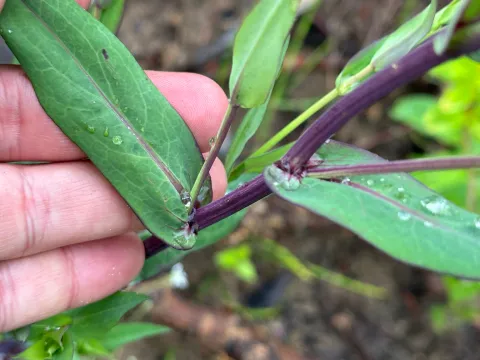
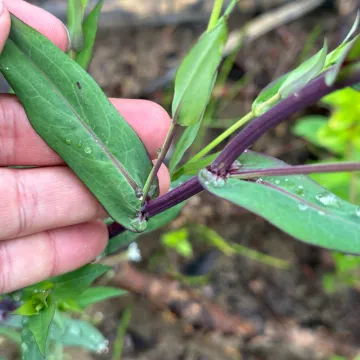
The botanical structure of the plant consists of sturdy, smooth, glaucous stems reaching heights of 60 to 120 cm. The leaves are typically lanceolate and hairless, contributing to the "smooth" common name. The flowers are arranged in branching panicles, featuring violet-blue ray florets and yellow disk florets that provide essential color during the autumn months.
Cultivation requirements favor well-drained, moderately fertile soils and full sun exposure. While the smooth blue aster is drought-tolerant once established, supplemental irrigation during extreme heat waves can enhance flower production. Routine maintenance involves dividing the plant every few years to maintain vigor and pruning old stalks to the ground after the first hard frost.
The primary horticultural applications include:
- Designing sustainable prairie-style landscapes and meadow gardens.
- Use in border plantings due to its upright, neat growth habit.
- Supporting local pollinator populations by providing a late-season nectar source.
- Utilizing as a high-quality cut flower for commercial floriculture.
Although generally hardy, the species can be susceptible to aphids and certain fungal diseases like powdery mildew, especially in sites with poor airflow. Maintaining proper plant spacing and ensuring good drainage are critical management strategies to prevent these issues. Careful monitoring during the peak growing season ensures optimal plant health and longevity.
Photo gallery