Sweetleaf
Symplocos tinctoria
Description
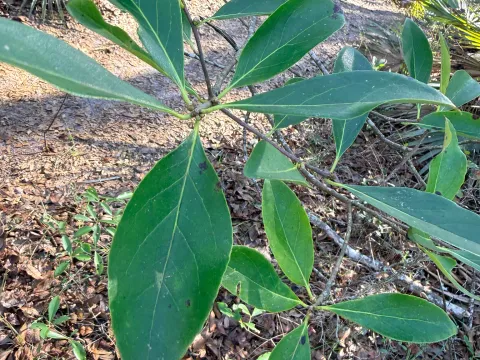
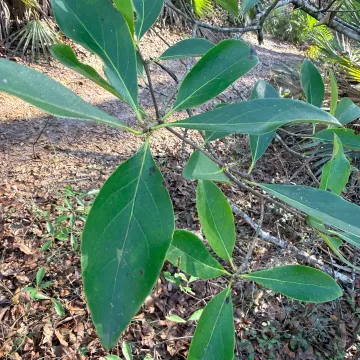
Symplocos tinctoria, commonly known as sweetleaf or horse sugar, is a shrub or small tree belonging to the Symplocaceae family. It is recognized for its dense, leathery foliage and small, fragrant yellow flowers that appear in the spring. As a member of this unique family, it possesses distinct physiological characteristics related to mineral accumulation.
This species is native to the southeastern United States, where it thrives in moist woods and swamp margins. Its natural range demonstrates a preference for temperate to subtropical climates with significant annual precipitation. Understanding its original habitat is crucial for successful cultivation, as it reflects the plant's inherent requirements for soil structure and light exposure.
Botanically, the plant is characterized by its adaptability to acidic soil conditions. It possesses an efficient root system that allows it to thrive in nutrient-rich, moist, yet well-drained environments. The foliage is typically evergreen in the warmer parts of its range, providing year-round structural interest in various landscapes and forest ecosystems.
Historically, Symplocos tinctoria served as a vital agricultural resource for the production of natural yellow dyes. Both the leaves and the bark were utilized to extract pigments for textiles, which was a significant practice in early American history. Beyond its dye-producing capabilities, the plant is valued for its nectar, which is highly attractive to local pollinator species.
Successful cultivation requires attention to soil pH and moisture management.
- Ensure planting in acidic, well-draining soil.
- Provide partial shade, especially in the afternoon.
- Apply organic mulch to retain soil moisture.
- Monitor for common pests like aphids or scale insects.
- Perform occasional pruning to maintain a desirable habit.
Photo gallery