Tersonia
Tersonia cyathiflora
Description
Tersonia cyathiflora is a distinctive plant species belonging to the family Phytolaccaceae. Known for its unique morphology and adaptation to harsh environments, this plant represents a specialized niche in the flora of the Australian continent, serving as a biological model for drought survival.
The origin of Tersonia is strictly linked to the arid and semi-arid regions of Western Australia. Within its natural range, the plant thrives in sandy, well-drained soils, often found in regions where water scarcity is the limiting factor for vegetation. It is highly specialized to cope with high light intensity and prolonged drought periods.
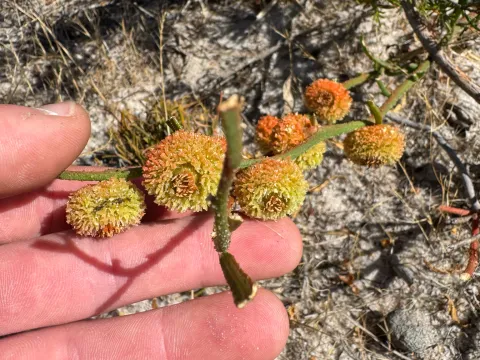
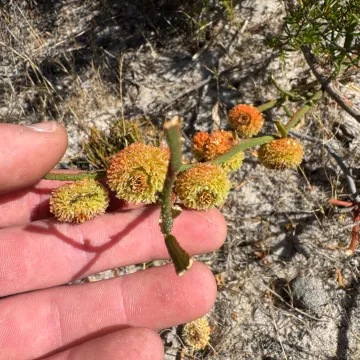
Botanically, the species is defined by its succulent characteristics, which allow it to store water in its leaves and stems. The plant features a compact growth habit, often appearing as a small shrub or succulent herb. Its most notable feature is its cyathiform (cup-shaped) flowers, which provide the basis for its specific scientific name.
Cultivation of Tersonia cyathiflora requires strict adherence to xerophytic protocols. The substrate must be highly porous to ensure rapid drainage, as the species is exceptionally prone to root rot when exposed to excessive moisture. Bright, direct sunlight is essential for maintaining the plant's health and preventing etiolation.
Economically, while not a mass-market agricultural crop, Tersonia is valued in xeriscaping and botanical research. Potential challenges for growers include managing humidity levels and preventing infestations of common succulent pests like mealybugs. Proper ventilation is critical to maintaining the plant’s health in indoor or greenhouse settings.
Photo gallery