Tetracera macrophylla
Tetracera macrophylla
Description
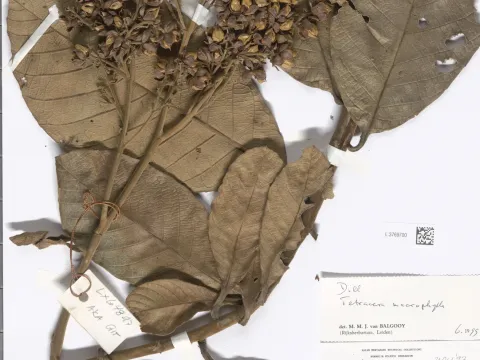
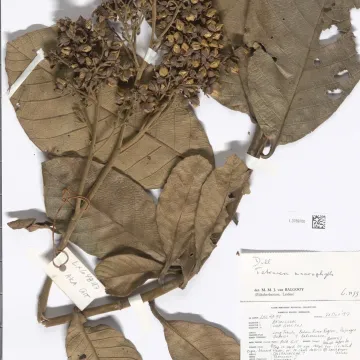
Tetracera macrophylla is a significant woody vine belonging to the Dilleniaceae family. Known for its robust structure and large, leathery leaves, it is a prominent species within tropical forest ecosystems. The plant is botanically recognized by its characteristic leaf texture and complex floral structure typical of the Dillenia order, reflecting its evolutionary adaptation to hot and humid environments.
The native distribution of this species is primarily centered in the tropical regions of Southeast Asia. It flourishes in areas characterized by high precipitation levels and consistent thermal regimes. As an opportunistic climber, it occupies diverse niches, from dense forest understories to clearings where it can maximize light interception, making it a competitive species in its natural habitat.
Cultivation of Tetracera macrophylla requires specific environmental parameters to succeed in an agricultural setting. It thrives in well-drained, nutrient-rich soils with high organic matter content. Regular irrigation is mandatory, especially during the growth phase, as the plant is highly sensitive to drought stress. Proper light management is also crucial; while it tolerates partial shade, it requires adequate light exposure to stimulate robust stem development.
Regarding agricultural practices, the establishment of sturdy vertical supports is essential for vertical growth and canopy management. Propagation is typically achieved via vegetative cuttings or seeds, though seedling management requires carefully controlled greenhouse conditions to minimize mortality rates. Monitoring soil pH is recommended to maintain optimal nutrient uptake, as the plant prefers slightly acidic to neutral soil conditions.
The economic value of this plant is largely derived from its utilitarian properties. Historically and in modern artisanal contexts, its flexible yet strong stems are valued for binding and construction. Furthermore, the coarse texture of the leaves provides a natural abrasive suitable for traditional polishing tasks. While the plant is generally resilient, it remains susceptible to fungal pathogens in high-humidity environments, necessitating good sanitation and airflow management to prevent root rot.
Photo gallery