Evodia
Tetradium ruticarpum
Description
Tetradium ruticarpum, commonly referred to as the medicinal evodia, is a deciduous tree belonging to the Rutaceae family. It is highly valued in both traditional medicine and agricultural sectors, specifically as a source of raw materials for pharmaceuticals and as a late-season nectar source for bees.
The species originates from the temperate and subtropical regions of East Asia, primarily inhabiting mountainous areas in China and Japan. In modern cultivation, it is introduced in various parts of the world where mild climates prevail, as the tree requires sufficient sunlight and warm growing seasons to reach its full potential.
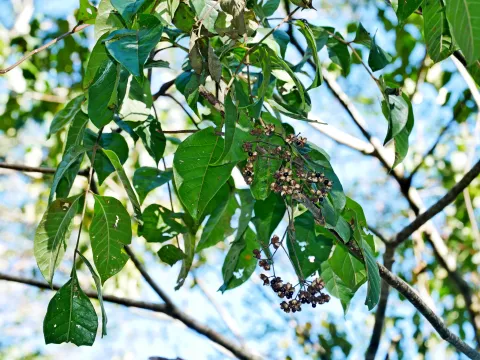
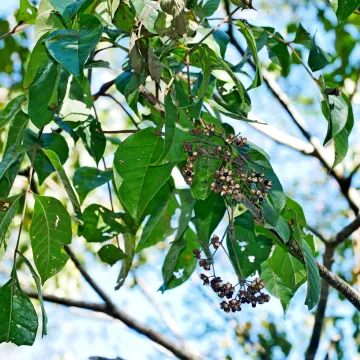
Botanically, the tree is characterized by its pinnate leaves and clusters of small, fragrant flowers. Its fruit consists of small follicles containing dark, aromatic seeds. The entire plant, especially the foliage and fruit, contains alkaloids and essential oils which provide a distinct scent and contribute to its medicinal properties.
Agricultural requirements focus on well-drained, nutrient-rich soil and a location with full sun exposure. While the tree is relatively adaptable, it requires consistent moisture during its juvenile phase. Maintenance tasks include pruning to shape the canopy and ensuring the soil structure remains aerated to promote healthy root development.
Key areas of economic utility include:
- Medicinal production: Dried fruit is harvested for its warming and analgesic properties in herbal supplements.
- Apiculture: It acts as a significant honey plant, providing forage for bees late in the season when other sources are scarce.
- Ornamental value: It is often planted in gardens for its elegant foliage and attractive flower clusters.
Common pests and diseases involve typical sap-sucking insects such as aphids or spider mites. Proper plant spacing and avoiding waterlogged soil are critical measures to prevent fungal root diseases. Regular monitoring ensures that any infestation is managed before it impacts the overall vigor and yield of the tree.
Photo gallery