Mountain thermopsis
Thermopsis montana
Description
Mountain thermopsis (Latin: Thermopsis montana) is a perennial herbaceous plant belonging to the Fabaceae family. Recognized as a significant medicinal crop, it contains a variety of alkaloids used primarily in the pharmaceutical industry to develop expectorant medications. The plant is valued for its hardiness and perennial nature, allowing for multi-year harvests.
Originating from mountain regions in North America, this species has adapted to temperate climates with varying levels of precipitation. It thrives in open, sunny environments and is known for its remarkable cold tolerance, making it suitable for cultivation in regions where other medicinal legumes might struggle during winter months.
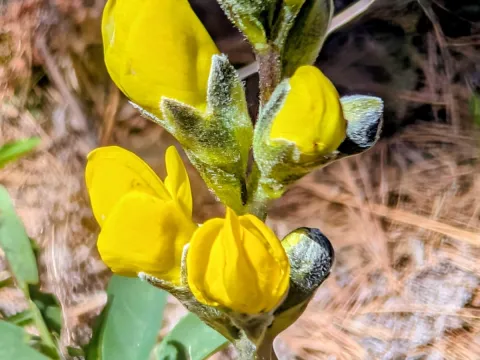
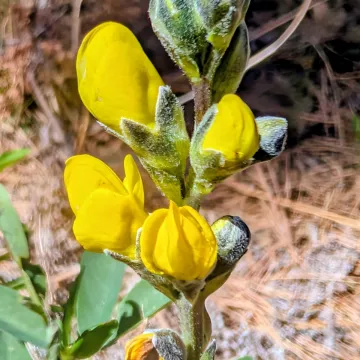
Botanically, Thermopsis montana is characterized by upright, slightly branched stems reaching 40–60 cm in height, adorned with trifoliate leaves. During the early summer, the plant produces distinctive racemes of bright yellow flowers, a hallmark of the legume family. The fruit is a multi-seeded pod that matures toward the end of the growing season, containing seeds with a hard, protective coat.
From an agronomical perspective, soil preparation is critical, as the crop prefers well-drained sandy loam or light loam soils with a neutral pH. Due to the hard seed coat, pre-sowing scarification is often necessary to ensure uniform germination. Once established, the plant requires minimal maintenance, though weed control during the seedling stage is essential to prevent competition and ensure healthy stand development.
The primary economic use for Mountain thermopsis is the production of herbal pharmaceutical products. Additionally, because it belongs to the legume family, it contributes to soil health through nitrogen fixation, benefiting the surrounding ecosystem. While generally resistant to many pests, growers should monitor for root pathogens in poorly drained soils to ensure maximum yield quality.
- Medicinal properties
- High cold resistance
- Nitrogen-fixing capabilities
- Low maintenance requirements
Photo gallery