
Blue lace flower
Trachymene coerulea Graham
Description
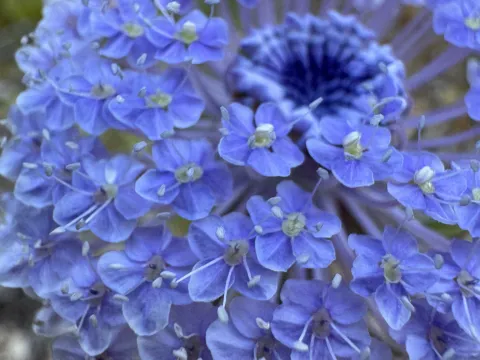
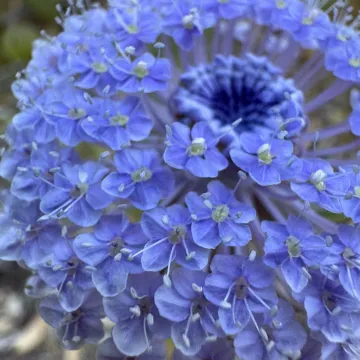
The Blue lace flower (Trachymene coerulea), historically known as Didiscus coeruleus, is an attractive annual plant belonging to the Apiaceae family. It is highly valued for its striking, domed clusters of pale blue or lilac-tinted flowers, which provide a delicate and airy aesthetic to any garden setting or floral arrangement.
Native to Western Australia, this plant thrives in open, sunny habitats. It has been cultivated globally, primarily in the horticultural sector as a popular ornamental plant. Beyond its role in garden borders and mixed containers, it is widely recognized as a premium choice for the cut flower industry due to its long vase life.
Botanically, the plant develops an upright, branched stem reaching heights of 45 to 60 cm. Its foliage is finely dissected, providing a fern-like appearance that complements the intricate, lace-like floral umbels. Each bloom is composed of numerous tiny, fragrant flowers that attract various pollinators, including bees and butterflies.
Cultivation requires full sun and well-draining, moderately fertile soil. The species is sensitive to poorly drained or waterlogged ground, which can inhibit root development and lead to fungal issues. It prefers temperate conditions and should be protected from harsh, cold winds, especially during the early stages of its growth cycle.
Management practices involve regular, shallow irrigation and occasional fertilization to support consistent blooming. Gardeners must monitor for common pests, such as aphids, which may cluster on tender buds. Proper air circulation is essential to prevent mildew or rot, making spacing during planting an important factor for overall crop health.
Photo gallery