Wall germander
Teucrium chamaedrys L.
Description
Wall germander (scientific name: Teucrium chamaedrys) is a perennial subshrub belonging to the Lamiaceae family. Characterized by its low, spreading growth habit and woody base, this plant typically reaches a height of 30 to 40 centimeters, making it an excellent candidate for both ornamental borders and herbal cultivation.
Originally native to the Mediterranean region, this species has successfully naturalized across various parts of Europe, Western Asia, and North America. It is highly adaptable to different temperate climates, provided that the growing environment mimics its natural habitat of dry, sunny, and stony landscapes.
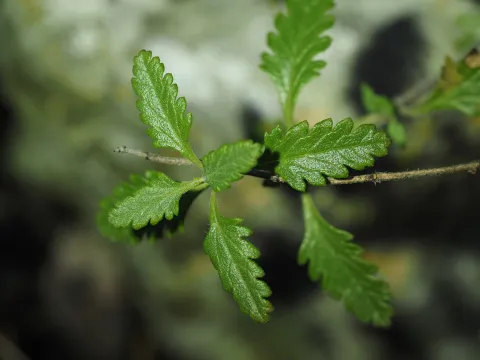
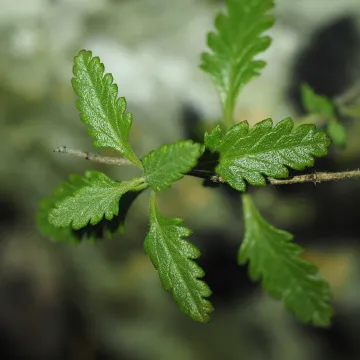
Botanically, the plant features small, dark green leaves with serrated margins and striking pink to purple flowers arranged in loose, terminal spikes. Its development is slow, but once established, the plant forms dense mats that contribute significantly to soil erosion control on sloped terrains.
Successful cultivation requires well-drained, alkaline or neutral soil and full sun exposure. It is highly drought-tolerant, which makes it ideal for low-maintenance agricultural projects. Agronomic practices involve planting in spring or early autumn, regular weeding, and light pruning after the flowering season to stimulate new growth and maintain a compact aesthetic.
The agricultural and economic utility of Wall Germander is quite diverse, including several key sectors:
- Medicinal herb production: harvested for its bitter compounds and anti-inflammatory properties.
- Ornamental horticulture: used extensively in rock gardens and as ground cover.
- Apiculture: serves as an essential nectar source for honey bees during the summer.
- Aromatic industry: extraction of volatile oils for specialized botanical applications.
While generally robust, the plant can be susceptible to fungal diseases such as leaf spot if air circulation is poor or if the substrate remains waterlogged. Common pests include aphids and various beetle species. Maintaining a balanced environment and applying preventative agricultural measures are crucial for protecting the plant's yield and health.
Photo gallery