
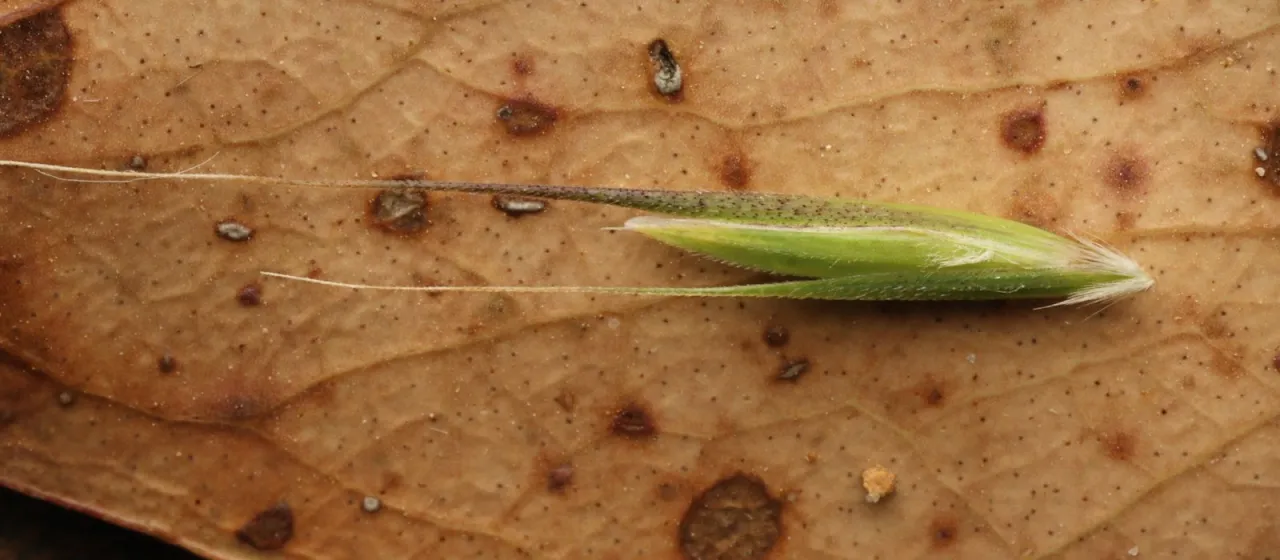
Description
Microlaena stipoides, commonly referred to as weeping grass, is a perennial grass species belonging to the Poaceae family. This species is highly valued in contemporary agriculture for its resilience and nutritional profile, making it a staple in various grazing systems and ecological restoration projects.
Originating from Australia and New Zealand, this grass has adapted to a diverse array of environments. It is primarily found in open woodlands and grasslands where it thrives in competition with other species. Its native habitat ranges from temperate regions to subtropical zones, showcasing its remarkable ability to withstand varying climatic stresses.
Botanically, the plant is characterized by its tufted growth habit and fine, drooping leaf blades, which give it its common name. The root system is notably robust, allowing the plant to anchor securely in the soil and access water during periods of scarcity. The inflorescence is a slender, arching panicle that matures into fertile seeds capable of efficient wind dispersal.
Cultivation requirements for Microlaena stipoides are relatively manageable. It performs best in well-drained soils and exhibits significant shade tolerance compared to other forage grasses. Effective agrotechnical practices include maintaining appropriate stocking rates for grazing to encourage density and ensuring periodic fertilization to sustain high levels of biomass production.
The agricultural utility of this plant is extensive. It is highly regarded as a high-quality forage crop that provides excellent protein content for livestock throughout much of the year. Beyond its use in animal husbandry, it is increasingly utilized in landscaping and erosion control, providing a permanent, low-maintenance ground cover that supports biodiversity.
- Excellent digestibility and nutritional value for livestock.
- Strong tolerance to periodic dry spells.
- Shade tolerance allowing growth in wooded pastures.
- Natural ability to outcompete weeds in established stands.
- Low requirement for irrigation and chemical fertilizers.
Plant health is generally high, though the grass can be susceptible to leaf fungal pathogens under conditions of poor airflow or high humidity. In terms of entomological threats, grass-feeding caterpillars and certain beetle larvae are the primary concern, necessitating integrated pest management strategies to protect the productivity of the stands.