

Description
Tulip breaking virus (TBV) is a destructive plant pathogen belonging to the Potyvirus family. It is responsible for the 'breaking' of flower color, which creates irregular stripes, streaks, or feather-like patterns on the petals. While these symptoms were historically admired, particularly in the 17th-century 'Tulip Mania', in modern agriculture, it is recognized as a debilitating disease that negatively affects plant health.
The virus primarily affects tulips, but it can also infect various species of lilies. It is a systemic infection, meaning that once a plant is infected, the virus spreads throughout all its parts, including the bulb. This ensures that the virus persists in the bulbs and is carried over to the next season, eventually causing the entire plant to weaken and fail to produce viable offspring.
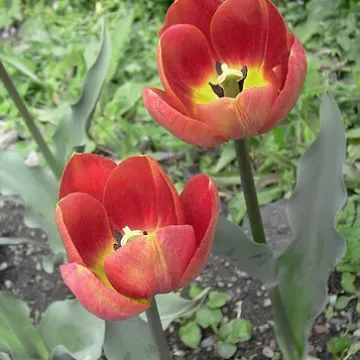
Symptoms typically manifest during the flowering stage. On solid-colored tulips, the virus causes light or dark streaking that disrupts the natural color. In variegated tulips, the pattern may become unstable or muted. Beyond the visual changes in the petals, affected plants often show signs of stunted growth, reduced leaf size, and a general loss of vigor, which leads to a gradual decline in the plant's ability to survive and reproduce.
Transmission occurs through two primary vectors: insect pests and mechanical transfer. Aphids are the most common insect vectors, as they acquire the virus while feeding on infected plants and transmit it to healthy ones. Mechanical transmission is equally dangerous, as the virus can easily be transferred via contaminated cutting tools during harvesting or deadheading if tools are not properly sanitized between plants.
- Rogue out and destroy infected plants immediately upon detection.
- Implement rigorous aphid control programs using suitable insecticides.
- Sanitize cutting tools using alcohol or bleach solutions between plants.
- Purchase bulbs only from reliable, certified disease-free sources.
- Maintain garden hygiene by removing weeds that may harbor the virus.
The economic impact of the virus is significant, as it leads to the loss of commercial value and the progressive degeneration of flower beds. Because there is no chemical cure for Tulip breaking virus, effective management relies entirely on prevention, strict sanitation practices, and the control of vector populations to prevent the spread of infection within the garden or nursery.
Контент-граф
Connections · Tulip breaking virus
Most often together:
Marketplace
Products · 2
Community
Discussion
No discussions yet — be the first.