

Description
Peptides are short chains of amino acids that function as critical signaling molecules within plant organisms. Unlike complex proteins, these molecules are easily absorbed by plant tissues, acting as efficient bio-stimulants that trigger specific growth and defense mechanisms required for optimal crop performance.
The primary role of peptides in plant nutrition is to enhance metabolic efficiency and improve the plant's ability to withstand environmental stress. By providing ready-to-use organic building blocks, peptides help plants conserve energy, which can then be diverted to root development, flowering, or grain filling during challenging growing conditions.
Signs of peptide deficiency are often manifested as inhibited growth and reduced leaf area, which limits the overall photosynthetic capacity of the plant. Conversely, while toxicity from organic peptides is rare, an excessive accumulation of highly concentrated biostimulants can occasionally lead to an imbalance between vegetative growth and reproductive yield, requiring careful management.
Peptides are commonly found in advanced biostimulants and organic fertilizers derived from high-quality protein sources. Due to their unique molecular structure, they often function as natural chelates, assisting in the uptake and systemic transport of mineral nutrients like zinc, manganese, and iron within the plant's vascular system.
Application techniques generally focus on foliar spraying during critical physiological stages, such as seedling establishment or the onset of drought. Farmers should prioritize products with a high percentage of low-molecular-weight peptides to ensure rapid cuticle penetration and immediate physiological response from the treated crops.
Контент-граф
Connections · Peptides
Most often together:
Marketplace
Products · 15


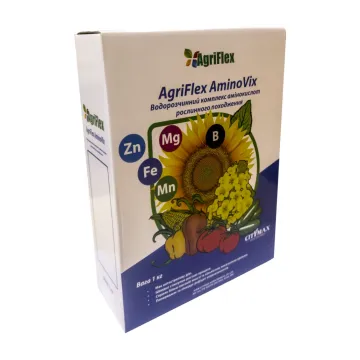

Organomineral Fertilizer «HELPROST»
TOB «БІОТРАНСФЕР», Україна
Fertilizers
0
0
·
44
5 offers
3.6 €за 1 кг
Купить

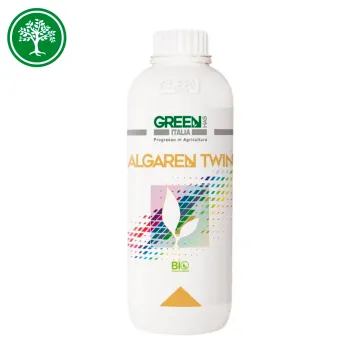
GRIN HAS (MAROK ALGAREN TWIN, AMINO VJ ANTI-STRESS, NUTRIGRIN
GREEN HAS ITALIA S.p.A., Італія
Fertilizers
0
0
·
30
2 offers
36.6 €за 1 кг
Купить

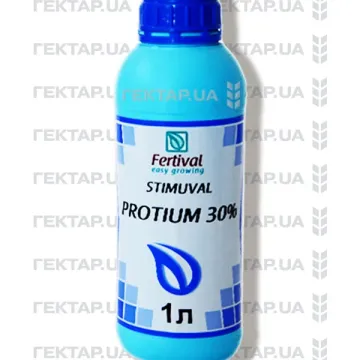
STIMUVAL (brands ALGIVAL, BRESOL, FECUNDONE, PROTIUM 30%, STARTVA
EUROFERTILIZANTES VALENCIANOS S.L.
Fertilizers
0
0
·
56
No offers
—
Details


