

Description
Rhodopseudomonas palustris 108 is a specialized strain of purple non-sulfur bacteria (PNSB) that serves as an essential bio-component for improving plant nutrient uptake and soil vitality. These microorganisms are known for their metabolic versatility, allowing them to adapt to diverse soil conditions and contribute to sustainable agronomic productivity.
The role of this agent in plant nutrition involves the mineralization of organic matter and the conversion of insoluble nutrients into plant-available forms, particularly phosphorus and nitrogen. Through the secretion of enzymes and growth regulators such as auxins and cytokinins, the bacteria directly stimulate root elongation and enhance the uptake efficiency of minerals present in the substrate.
Symptoms of microbial deficiency in the soil ecosystem often manifest as stunted plant growth, decreased leaf chlorophyll density, and low resistance to environmental pathogens. Conversely, an overabundance of these beneficial bacteria is unlikely to cause nutrient toxicity, as their population naturally balances within the existing soil microbiome, preventing any excessive accumulation of metabolic byproducts.
This strain is typically incorporated into commercial biofertilizers, microbial inoculants, and soil conditioner formulations. These products are often delivered as concentrated liquid suspensions or stabilized powders, designed to provide a high colony-forming unit (CFU) count to ensure rapid colonization of the plant rhizosphere upon application.
Application methods should consider the light sensitivity of these photosynthetic bacteria, making early morning or late evening treatments the most effective. Ensuring adequate soil moisture after application is crucial to help the bacteria integrate into the rhizosphere, thereby maximizing the synergy between the microbial population and the crop's root system for improved growth results.
Контент-граф
Connections · Rhodopseudomonas palustris strain 108
Most often together:
Marketplace
Products · 7

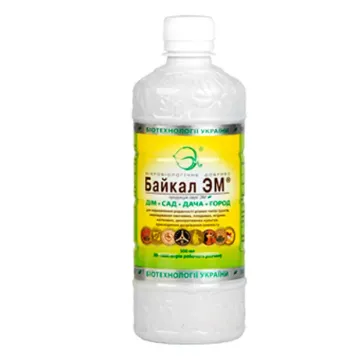
Microbial Fertilizer "Baikal EM"
ТОВ «КАРАВАН», Україна, 69012 , б. 49, Тел
Fertilizers
0
0
·
53
10 offers
1.6 €за 1 кг
Купить

Microbiological Fertilizer «Embionik»
Terravita Ukraine
Fertilizers
0
0
·
53
3 offers
2.5 €за 1 кг
Купить


Microbial Fertilizer (EM Series Product, Baikal EM-1)
ТОВ «ЭМ-Корпорація» (Росія
Fertilizers
0
0
·
37
5 offers
1.2 €за 1 кг
Купить