


SKU #34833
·
43 views
ES ISIDA
Sunflower
Euralis SemencesUser rating
0 votes0% positive reviews
No ratings yet — be the first.
Hybrid Type
Simple Hybrid
Oil Content
45-50%
Vegetation Period
100-110 days
Plant; height
150-160 cm
About product

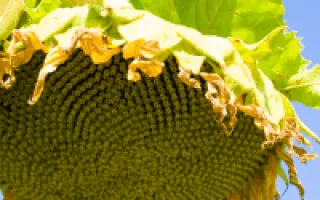
Sunflower ES ISIDA is a mid-early hybrid of the oilseed type, intended for cultivation in Steppe, Forest-Steppe, and Polissia regions. Plants reach an average height of 150-160 cm, with a flower head diameter of 21-23 cm. The hybrid has a maturity period of 105-115 days, enabling a stable yield under various climatic conditions. Seeds contain high oil content — from 48 to 51% — making this sunflow…
Hybrid Type
Simple Hybrid
Oil Content
45-50%
Vegetation Period
100-110 days
Plant; height
150-160 cm
Description
Sunflower ES ISIDA is a mid-early hybrid of the oilseed type, intended for cultivation in Steppe, Forest-Steppe, and Polissia regions. Plants reach an average height of 150-160 cm, with a flower head diameter of 21-23 cm. The hybrid has a maturity period of 105-115 days, enabling a stable yield under various climatic conditions. Seeds contain high oil content — from 48 to 51% — making this sunflower attractive for oil production. Recommended sowing rates vary depending on soil moisture: 45-50 thousand seeds per hectare under low moisture, and 55-60 thousand/ha under adequate moisture.
ES ISIDA exhibits high resistance to major sunflower diseases, including verticillium wilt, alternaria, stem and head sclerotinia, fomopsis, rust, as well as various races of downy mildew (A-G, 7 races). Seeds are treated with fungicides and insecticides, providing additional protection against pests and diseases. The hybrid is characterized by high drought tolerance and stress tolerance, contributing to stable yields even under adverse weather conditions.
The cultivation technology for ES ISIDA sunflower is traditional, facilitating its integration into existing agronomic practices. The seeding unit contains 150,000 seeds, sufficient for sowing areas from 2.2 to 2.5 hectares. Seed production occurs in Ukraine and France, ensuring high quality and compliance with modern standards. Due to its characteristics and adaptability to various agro-climatic zones, ES ISIDA is a reliable choice for farmers seeking high and stable yields of oilseed sunflower.
ES ISIDA exhibits high resistance to major sunflower diseases, including verticillium wilt, alternaria, stem and head sclerotinia, fomopsis, rust, as well as various races of downy mildew (A-G, 7 races). Seeds are treated with fungicides and insecticides, providing additional protection against pests and diseases. The hybrid is characterized by high drought tolerance and stress tolerance, contributing to stable yields even under adverse weather conditions.
The cultivation technology for ES ISIDA sunflower is traditional, facilitating its integration into existing agronomic practices. The seeding unit contains 150,000 seeds, sufficient for sowing areas from 2.2 to 2.5 hectares. Seed production occurs in Ukraine and France, ensuring high quality and compliance with modern standards. Due to its characteristics and adaptability to various agro-climatic zones, ES ISIDA is a reliable choice for farmers seeking high and stable yields of oilseed sunflower.
Crop & resistance
Disease resistance
Specifications
| Hybrid Type | |
|---|---|
| Oil Content | 45-50% |
| Vegetation Period | 100-110 days |
| Plant; height | 150-160 cm |
| Basket; size | |
| Catalog | Catalog → Sunflower |
| Manufacturer | Euralis Semences |
| Originator | Euralis Semences |
| Country | France |
Store offers · 1 from 1 stores
Prices are updated on loadLoading offers…
Aggregator catalog: prices are collected automatically from store websites, normalized by AI and converted at the current exchange rate. Before ordering, confirm the price and availability on the store's website. This block is not indexed by search engines — the data is loaded after the page opens.
See also
Often considered together with this variety




Recently viewed
Similar items in this catalog section


Comments · 0