
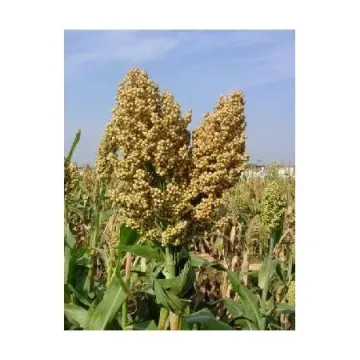
Description
The Sorghum shoot fly (Atherigona soccata) is a destructive insect pest belonging to the Muscidae family within the order Diptera. It is recognized as one of the most significant pests affecting sorghum production in warm climates globally, causing substantial economic losses in early seedling stages.
Primary hosts for this pest include cultivated sorghum (grain, sweet, and forage types). While sorghum is the preferred host, the larvae can also feed on maize, pearl millet, and several wild grass species, which often serve as alternative hosts during periods when the main crop is unavailable.
The life cycle of the shoot fly is rapid. Adult females deposit white, elongated eggs on the underside of the leaves of young seedlings. Upon hatching, the larvae crawl to the base of the central leaf, bore into the stem, and sever the growing point, which is the primary cause of damage.
The most diagnostic symptom of infestation is the appearance of a "dead heart." This occurs when the central shoot wilts and dries out while the outer leaves remain green. Affected plants typically produce lateral tillers in an attempt to compensate for the damage, but these tillers often produce poor-quality, delayed grain yields.
Effective management requires an integrated approach. Farmers are advised to use host-plant resistance, adjust sowing dates to avoid peak fly activity, and employ seed treatments with systemic insecticides. Cultural practices such as maintaining field hygiene and ensuring optimal soil fertility are essential to minimize the impact of the pest on crop establishment.
Biology
Taxonomy
- Latin name
- Atherigona soccata
- Order
- Diptera (flies)
- Family
- Muscidae
Taxonomy and Latin: EPPO Global Database · code ATHESO
Контент-граф
Connections · Sorghum shoot fly
Most often together:
Marketplace
Products · 1
Community
Discussion
No discussions yet — be the first.