
How is potato packaged and labeled before sale?
Packaging potatoes involves distributing them into selected packaging material. Selling washed, pre-packaged produce is easier than loose produce. It's easier to transport and load, and the tubers retain their appearance better. During packaging, potatoes are sorted by variety and poured…
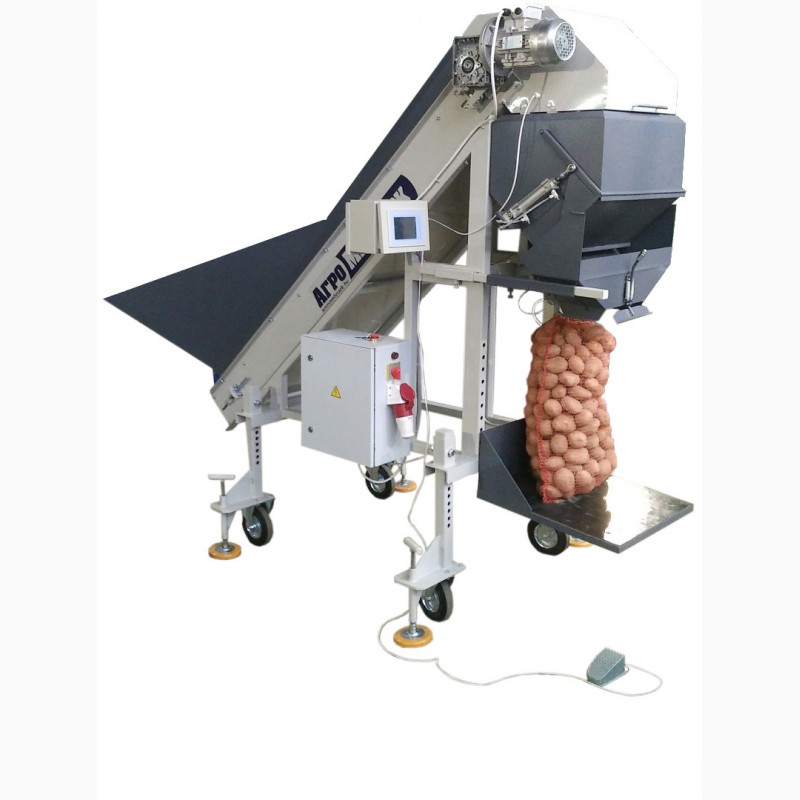
Packaging potatoes involves distributing them into selected packaging material. Selling washed, pre-packaged produce is easier than loose produce. It's easier to transport and load, and the tubers retain their appearance better. During packaging, potatoes are sorted by variety and poured into mesh or polyethylene.
The equipment used to prepare the product for sale includes:
- Washing tank;
- Drying cabinet;
- Scale;
- Packaging equipment.
Next, we will examine which packaging is best for potatoes.
Choosing packaging for potatoes
The main criterion for selecting potato packaging is the product's weight. Also consider:
- Package strength;
- Its quality;
- Ecological safety;
- Usability;
- Labeling convenience.
Vegetable bags and mesh are made of eco-friendly, strong, and safe polyethylene, free of toxic substances. The mesh structure ensures free air circulation. Vegetables packed in such bags remain fresh for a long time and do not spoil. In addition, mesh polyethylene bags have a low weight. They are usually made bright: purple, yellow, red, which emphasizes the appearance of vegetables. Synthetic fibers do not rot even under adverse conditions, eliminating the risk of package rupture.
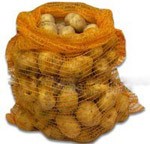 Mesh bag. This type of packaging is the most popular. Packing into bags is convenient and inexpensive. The packaging is very practical and can hold up to 35 kg of potatoes.
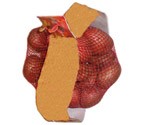 Bandole. The mass of such a mesh is up to 5 kg. The manufacturer or packer attaches a label to the bandole indicating all important information and their contact details.
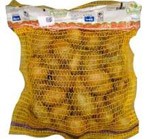 Roche. Like a bandole, this mesh is convenient to use. Its mass is 2.5-5 kg. Roche stands out for its strength and original design.
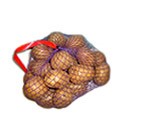 Clip. Capable of holding up to 2.5 kg. The edges of this convenient and economical packaging are secured by metal ties on both sides.
How does the product segment affect packaging choice?
In the mass consumption goods category (cheapest), the most common packaging types are mesh bags and clip packaging. Before such packaging, to reduce production costs, potatoes are sometimes not washed or sorted by size. Mass segment products are sold through discount stores, markets, and small shops.
Potatoes belonging to the mid-segment have higher quality. They are washed and packed into finer mesh: bandole, roche. The main difference from the mass segment is mandatory size selection, washing, and dry cleaning. Products are selected by taste quality and intended use (for boiling and frying), sorted by variety.
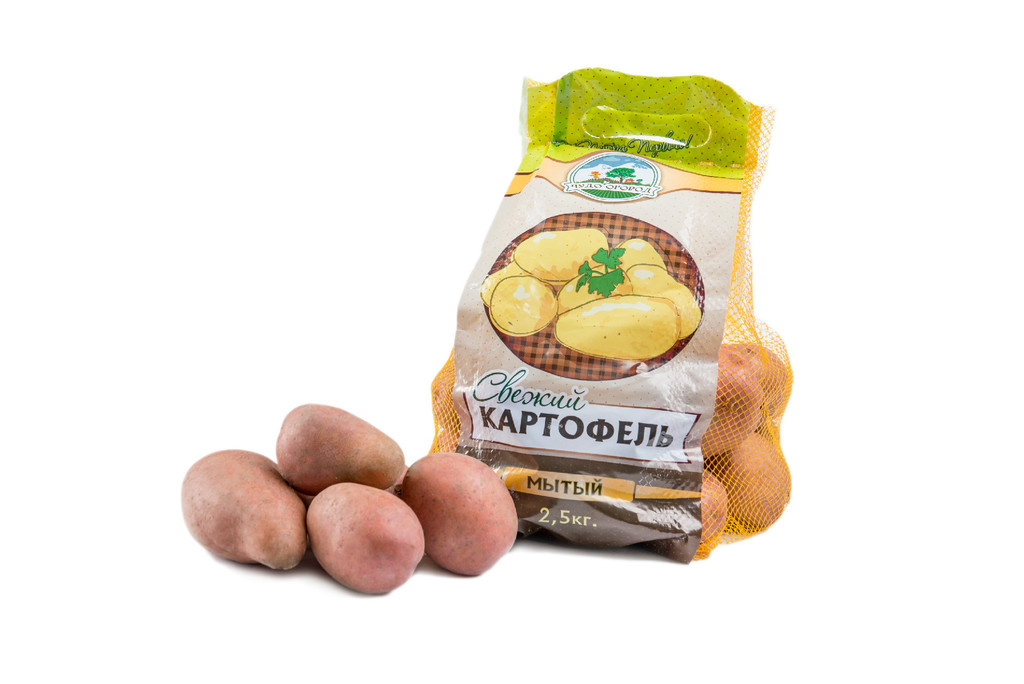
Premium segment products must have advantages such as taste characteristics, good processing quality, and ease of preparation. Such products are usually branded and may be packaged not only in mesh but also in polyethylene or kraft bags. Regardless of the category to which the product belongs, each package must be labeled with information about the food product and its producer.
Labeling of potato bags, clips, and other packaging
Each packaging unit must have a label containing:
- Producer or supplier name and address;
- Crop name;
- Designation of potato variety and category;
- Size of tubers;
- Harvest year;
- Batch number;
- Net weight.
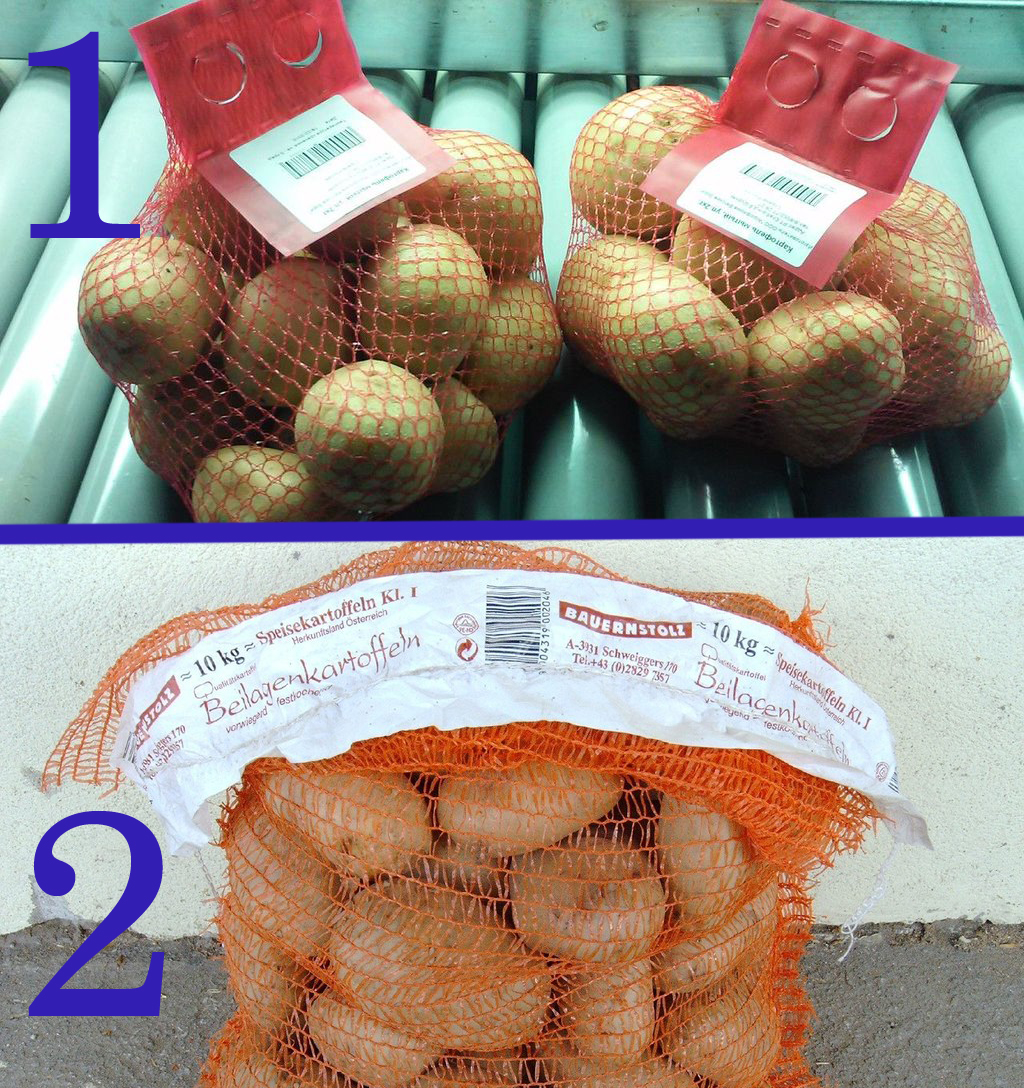
The cheapest labeling option is a self-adhesive label with single-color print. Since the cargo is stored and transported under unfavorable conditions, the sticker must be durable and water-resistant. The label in the form of a sticker is attached to the handles of the bandole or to the ties of the clip. For labeling bags, nylon fabric labels are commonly used, which are attached when sewing the bag.
Detailed recommendations on potato packaging and labeling can be obtained from companies specializing in the sale of packaging and packaging equipment. Labeling packaged potatoes is a separate task handled by other companies, such as the Import-Tech Service in Dnipro. The material is partially taken from the website termoetiketki.com.ua
Editorial team agronom.info
Materials are prepared by the portal's agronomists and editors. We use only trusted sources: Ukrainian agricultural universities, variety registries, open scientific publications.

Comments · 1