
Features of Tractor Battery Maintenance
The battery is one of the main components of any vehicle, especially when it comes to agricultural machinery during harvest season. Discharge or malfunction of the battery on a tractor leads to the inability to start the engine.
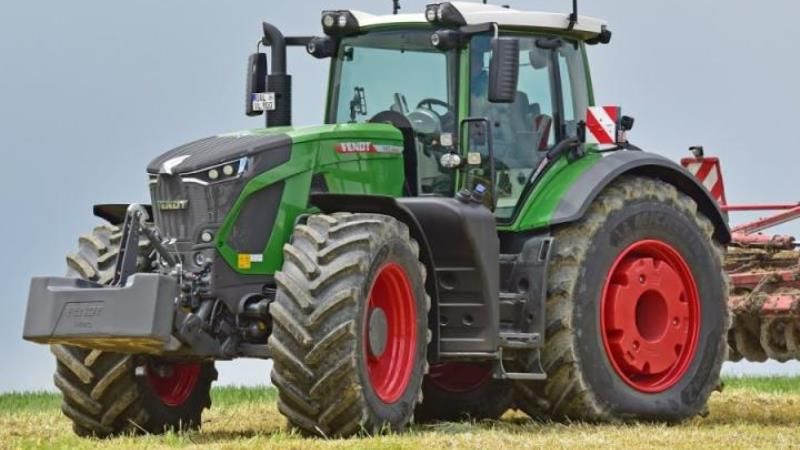
The battery is one of the main components of any vehicle, especially when it comes to agricultural machinery during harvest season. Discharge or malfunction of the battery on a tractor leads to the inability to start the engine. Consequently, the machinery will not be able to perform its primary functions.
Maintenance Features
Battery maintenance includes several stages. The main thing is to periodically inspect the device, as well as keep it clean and charged. It is necessary to remember that accelerated discharge is caused by oxidation on terminals, surface contamination, and poor wire connections.
The battery, like other agricultural machinery spare parts, can be classified as consumable materials. It has a certain service life and wears out over time. To prevent premature reduction of battery life, it is necessary to ensure that the device does not remain discharged for long periods. Otherwise, the capacity will drop and internal resistance will increase.
To measure electrolyte density, an hydrometer is required. The liquid volume should be 10-15 mm above the protective shield located above the separator device. Measurement is performed using a glass tube with a diameter of 3-5 mm.
Operating Tips
Once every two weeks or every 125 hours of operation, it is necessary:
- Perform cleaning of the housing from dirt and dust. Surfaces are wiped with a clean cloth treated with ammonia solution. If unavailable, a 10% solution of washing soda can be used.
- Remove oxidation traces from battery terminals and wires. It is necessary to ensure that the battery is properly and securely mounted in its mounting position.
- Perform diagnostics of fasteners and quality of cable terminal contact with battery terminals. Damage to these elements is not permitted.
- Check the cleanliness of ventilation holes and caps, and clean them if dirty. Also, check the integrity of the monoblock. If cracks appear, it may lead to electrolyte leakage. Damage should be removed by melting. If the cracks are large, the battery will need to be replaced.
- Check the charge level of electrolyte in each cell. If the liquid has partially evaporated, its volume can be replenished with distilled water. Electrolyte solution should not be used, except in cases where the level drop is due to spillage. It is important that the densities of the liquids match.
Electrolyte density diagnostics should be performed every 500 hours of agricultural machinery operation. If solution addition is required, the temperature of the liquid should not exceed 25 degrees Celsius when replenishing. The degree of discharge should be checked every 2-3 weeks of tractor operation. Recharging is required if discharge exceeds 25% in cold weather and more than 50% in summer. Checking battery integrity with "spark" is not allowed, as it may cause an explosion.

During seasonal service maintenance, the device is removed from the chassis, and a control-trial cycle "charge-discharge-charge" is performed, which requires a special stand or station. When performing the CTC, recommendations for use and maintenance of the battery are taken into account.
Causes of Failure
Battery failure may be caused by the following reasons:
- sulfation of the device;
- failure or mechanical damage to plates;
- short circuit;
- contamination of the liquid;
- wire reverse polarity;
- constant battery discharge.
Reverse polarity is associated with incorrect connection of the battery to the tractor's onboard network. This leads to pole reversal and inability to operate the battery. To resolve the issue, several discharge and charge cycles should be performed. This will help restore capacity. Sometimes reverse polarity leads to complete failure of the battery, requiring disposal.
The main sign of battery malfunction is a decrease in capacity and reduced voltage in the tractor's electrical system. This may result in engine starting problems, flickering lights, and unstable operation. Additionally, during charging, gases will be abundantly released from the battery housing. Sometimes signs of battery malfunction are related to unstable operation of the generator. In this case, the voltage regulator relay and integrity of the drive belt should be checked. The belt may have worn out and require replacement or tensioning.
Editorial team agronom.info
Materials are prepared by the portal's agronomists and editors. We use only trusted sources: Ukrainian agricultural universities, variety registries, open scientific publications.
Comments · 0