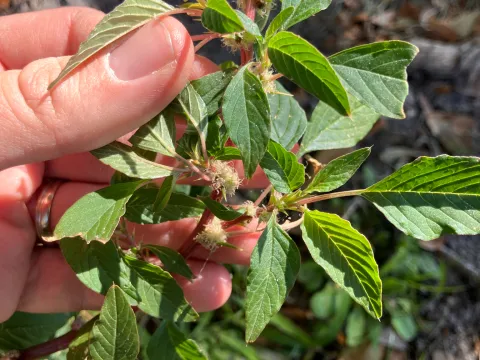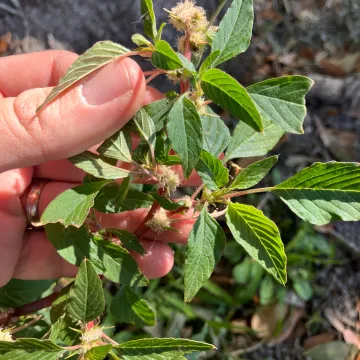
Spiny amaranth
Amaranthus spinosus L.
Description
Spiny amaranth (lat. Amaranthus spinosus L.) is an annual herbaceous plant belonging to the Amaranthaceae family. While it is widely recognized globally as a resilient weed, it also serves as a significant agricultural crop in various tropical and subtropical regions, valued for its nutritional profile and fast-growing biomass.
The species is native to the tropical regions of the Americas and has naturalized across almost all tropical and warm temperate zones of the world. Its ability to thrive in diverse environments makes it a widely distributed plant. In many developing countries, it is cultivated as a sustainable vegetable crop or an emergency food source due to its high protein content.
Botanically, the plant is characterized by its distinct paired spines at the base of the leaves, which set it apart from other Amaranthus species. It features a robust, branched stem and alternate, ovate-lanceolate leaves. The inflorescences are dense, spiky clusters that produce a vast number of small, dark seeds capable of remaining viable in the soil for several years.
Spiny amaranth requires high levels of solar radiation and warm temperatures for optimal development. It is highly adaptable to a wide range of soil types, demonstrating remarkable tolerance to poor soil quality and drought. Standard agronomic practices involve well-timed sowing, proper row spacing to encourage vegetative growth, and mechanical weeding in the initial establishment phase.
- Nutritious leafy vegetable used in soups and stews.
- Source of protein-rich seeds for gluten-free flour and oil extraction.
- Valuable forage biomass for livestock feed.
- Source of bioactive compounds for pharmaceutical and medicinal applications.
Agricultural challenges include managing the plant's aggressive growth, as it can easily outcompete primary crops like corn or cotton if not controlled. Pests such as aphids and leaf-eating caterpillars are the most common threats to crop yields. Management strategies to prevent severe fungal diseases, such as root rot or downy mildew, center on ensuring proper drainage and maintaining appropriate crop rotation cycles.
Photo gallery