Alpine rockcress
Arabis alpina L.
Description
Alpine rockcress (Arabis alpina L.) is a robust perennial herb belonging to the Brassicaceae family. In agricultural and horticultural terms, it is a highly valued ground cover crop known for its dense, evergreen foliage and early spring blooming period. It acts as a resilient carpet that stabilizes the soil and provides early seasonal color in various landscape applications.
The native range of this species includes the mountainous regions of Europe, Asia, and North America. It is naturally adapted to alpine and sub-alpine environments, characterized by well-drained, nutrient-poor, rocky substrates. Its distribution in cultivation has spread globally, as the plant shows excellent cold hardiness and versatility in diverse temperate climates.
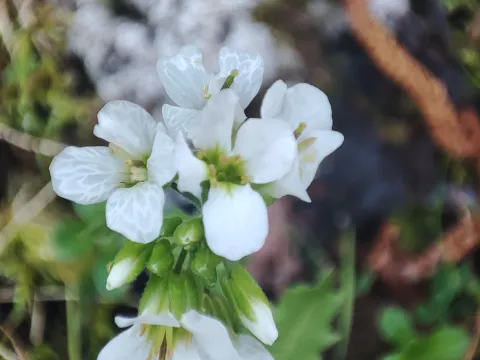
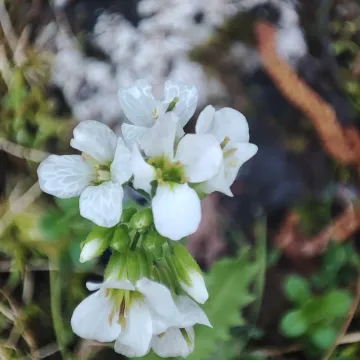
Botanically, Alpine rockcress is defined by its prostrate stems that form spreading mats. The leaves are typically obovate with coarsely toothed margins, often featuring a fine pubescence that provides a silvery aesthetic. During the peak flowering season, the plant produces numerous racemes of fragrant white or pale pink flowers, which can completely obscure the foliage.
Agricultural requirements for successful cultivation emphasize soil drainage above all else. This crop thrives in gritty, sandy, or rocky soils and is highly susceptible to root rot if waterlogged conditions persist. It prefers full sun exposure to maintain compact, vigorous growth. Excessive shade usually results in weak, spindly stems and reduced floral production, making sun-drenched locations critical.
- Regular pruning post-flowering to maintain density.
- Avoidance of over-fertilization to prevent weak growth.
- Monitoring for cruciferous pests such as flea beetles.
- Ensuring soil pH is neutral to slightly alkaline.
The primary economic use is in commercial landscaping and specialized plant nurseries for rock garden design. While the plant is inherently hardy, it remains susceptible to fungal pathogens like powdery mildew in humid, stagnant air environments. Management practices should include adequate spacing to ensure airflow and integrated pest management strategies to protect the crop from seasonal infestations.
Photo gallery