Peruvian parsnip
Arracacia xanthorrhiza Bancr.
Description
The Peruvian parsnip (Arracacia xanthorrhiza), commonly referred to as arracacha, is a perennial herbaceous plant belonging to the Apiaceae family. It is a staple root vegetable native to the Andes mountains, highly valued for its edible taproots which offer a unique flavor profile.
The plant originates from the mountainous regions of South America, specifically in countries like Colombia, Brazil, and Peru. It is a traditional crop that has been cultivated by indigenous populations for centuries, serving as a primary source of carbohydrates and essential micronutrients in high-altitude environments.
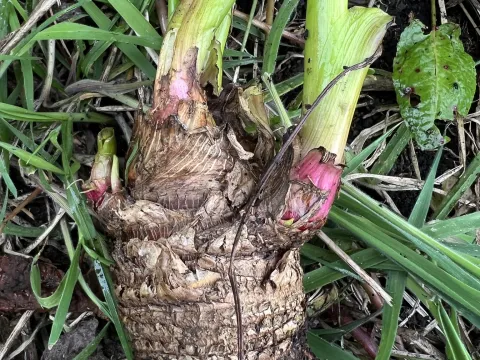
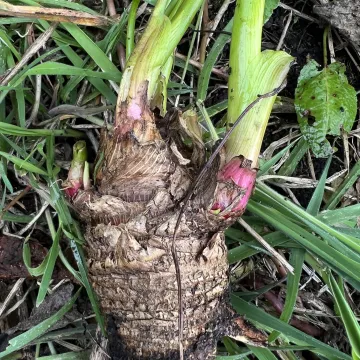
Botanically, the plant features celery-like leaves and a cluster of fleshy, starch-rich tuberous roots. These roots vary in color from creamy white to deep yellow or purple. When cooked, the texture is smooth, often compared to a blend of carrot, celery, and sweet chestnut, making it a culinary favorite.
Arracacha has specific agro-climatic requirements, thriving best in cool, humid environments with temperatures ranging between 15°C and 20°C. It requires deep, well-draining, and nutrient-rich soils to reach its full potential. Heavy clay soils or waterlogged conditions significantly hinder root development and yield.
Cultivation is primarily achieved through the planting of offshoots (slips) from the crown of the plant, as seed production is erratic. Maintenance involves regular weeding and hilling to encourage root growth. Farmers must remain vigilant against soil-borne pathogens and pests like nematodes, which can devastate an entire crop if not managed via proper rotation.
- Excellent source of complex carbohydrates and vitamin A.
- Highly digestible, making it ideal for infants and the elderly.
- Versatile use in stews, purees, and as a flour substitute.
- Potential for expanded commercial cultivation as a niche vegetable.
Photo gallery