
Atractylodes
Atractylodes lancea (Thunb.) DC. x Atractylodes macrocephala Koidz.
Description
Atractylodes is a genus of perennial herbaceous plants within the Asteraceae family, recognized for its significant medicinal value. Primarily cultivated for its rhizomes, this crop serves as a vital component in traditional medical practices and modern pharmacological research. The plant is prized for its specific sesquiterpenes, which provide potent therapeutic effects.
Native to East Asia, including China and Japan, Atractylodes thrives in mountain forest environments and meadows. Its natural distribution is linked to areas with mild, humid climates. As global interest in herbal medicine expands, modern cultivation techniques allow for its successful growth in specialized agricultural regions that mimic its natural habitat conditions.
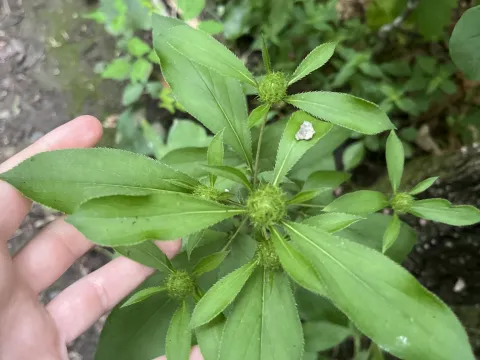
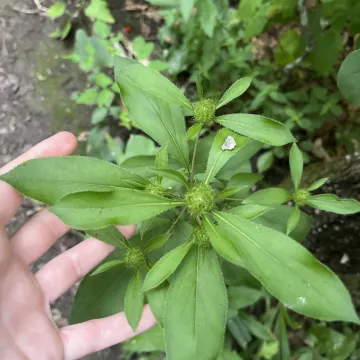
Botanically, Atractylodes consists of a sturdy, upright stem and serrated, often spiny, leaves. The most important feature is the fleshy, knotty rhizome, which serves as the storage organ for essential oils and medicinal compounds. The plant blooms with flower heads that can be decorative, although energy is typically directed toward the root system during commercial production.
Successful cultivation requires well-drained, fertile soil, ideally a sandy loam. Water management is critical; the crop is sensitive to waterlogging, which significantly increases the risk of root rot. Agronomic practices include periodic weeding, moderate organic fertilization, and soil aeration to promote vigorous growth of the rhizomes throughout the vegetative period.
The economic value of Atractylodes is driven by the demand for its rhizomes, which are harvested after the foliage dies back in the autumn. Key application areas include:
- Preparation of pharmaceutical extracts for digestion issues.
- Development of metabolic and immune-system supplements.
- Use as an ingredient in herbal formulations for overall well-being.
- Supply to the global nutraceutical industry.
Common agricultural challenges involve fungal pathogens, particularly root-rotting fungi triggered by moisture stress, and various leaf-feeding insects. Effective disease management relies on crop rotation strategies and maintaining soil health to ensure that the rhizomes reach their maximum potential harvest weight without degradation.
Photo gallery