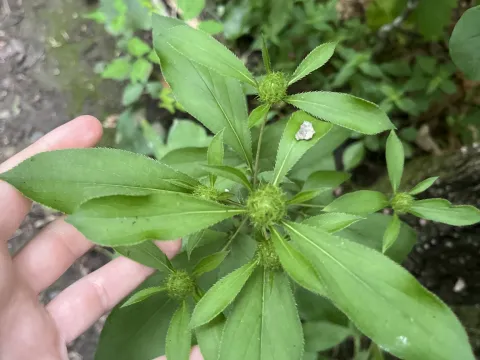

Atractylodes lancea
Atractylodes lancea (Thunb.) DC.
Description
Atractylodes lancea is a perennial herbaceous plant belonging to the Asteraceae family. In agricultural and pharmaceutical contexts, it is highly valued for its medicinal rhizomes, which are a cornerstone in traditional herbal medicine, known for their digestive, diuretic, and anti-inflammatory properties.
Originating from the forest ecosystems of East Asia, specifically China and Japan, this plant has adapted to diverse mountain and woodland climates. While it grows wild in certain regions, commercial cultivation has become essential to meet the global demand for standardized raw materials, leading to the development of specific agronomic protocols for field production.
Botanically, the plant features distinct lance-shaped leaves and a robust root system. The rhizome is the primary organ of interest, characterized by its dense, knotted structure and high concentrations of bioactive compounds, such as atractylodin and various sesquiterpenes. Proper management of the plant's development ensures a consistent yield of these valuable phytochemicals.
The cultivation requirements for Atractylodes lancea are quite specific. It prefers well-drained, sandy loam soils rich in organic matter. The crop performs best in environments where temperatures remain moderate during the growing season. Excessive irrigation is a common pitfall; therefore, fields must be carefully leveled to prevent waterlogging, which the plant cannot tolerate.
Management of the crop requires strict attention to pest and disease control. The most frequent threats include root rot pathogens like Fusarium or Rhizoctonia species, which thrive in overly damp conditions. Farmers should implement integrated pest management strategies, focusing on site selection and proper spacing to ensure adequate air circulation and to minimize the necessity for chemical interventions during the growth cycle.
Photo gallery