Babassu palm
Attalea speciosa Mart. ex Spreng.
Description
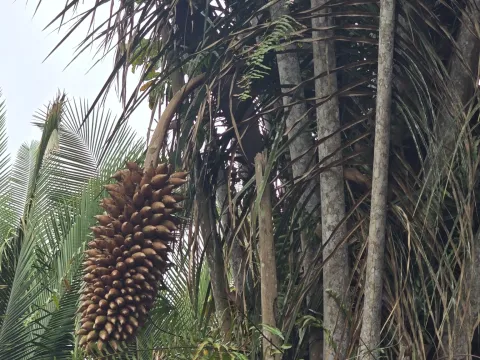
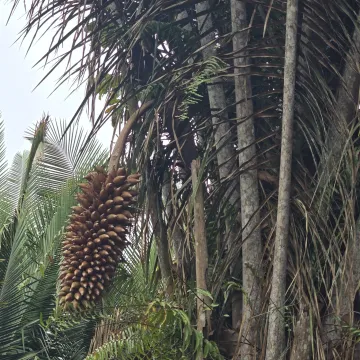
Attalea speciosa, commonly known as the babassu palm, is a significant tropical crop belonging to the Arecaceae family. Native to the Amazon basin and parts of northeastern Brazil, this palm is highly valued for its versatile nuts, which yield a high-quality oil used extensively in the cosmetic, food, and biodiesel industries.
The geographic range of this species is concentrated in tropical South America, where it thrives in regions with alternating wet and dry seasons. The plant is remarkably hardy, often demonstrating an ability to survive forest fires and thrive in degraded environments. These ecological traits make it a primary resource for agroforestry systems in the tropics.
Botanically, the babassu palm is a single-stemmed, majestic tree reaching heights up to 20 meters. It features a crown of long, pinnate leaves that can span several meters. Its fruit consists of a woody husk containing several oil-rich kernels. The high concentration of lauric acid in these kernels is what makes the crop economically competitive on the global market.
Cultivation requirements involve access to well-drained, nutrient-rich soils and consistent tropical warmth. While the palm grows slowly in its early stages, it requires minimal intervention once established. Agronomic practices primarily focus on managing plant density and protecting young seedlings from livestock grazing, ensuring the long-term productivity of the stand.
Major challenges in babassu production include the management of pests such as the palm weevil, which can damage the meristem, and occasional fungal outbreaks in overly humid zones. Despite these risks, the crop remains sustainable and highly productive. Beyond oil, every part of the plant is utilized: the fronds for thatch roofing, the husks for charcoal, and the trunks for structural materials.
Photo gallery