Babiana stricta
Babiana stricta (Aiton) Ker Gawl.
Description
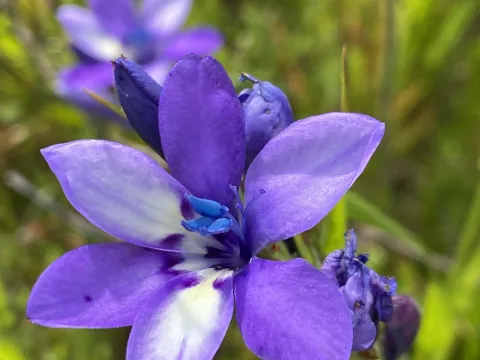
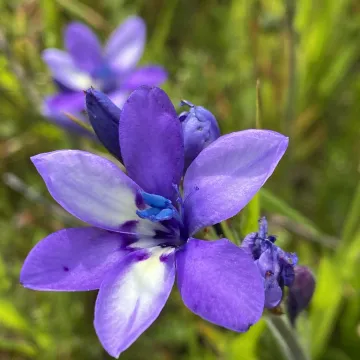
Babiana stricta is a captivating bulbous plant belonging to the Iridaceae family. Renowned for its vibrant, trumpet-shaped flowers and pleated, pubescent foliage, this plant is a staple in many decorative bulb collections. The genus name reflects the observation that baboons eat the corms, which highlights their nutritional value in their native habitats.
The origin of this species is traced to the Cape region of South Africa, where it thrives in Mediterranean-type climates. In its natural environment, the plant experiences a cycle of wet, cool winters and hot, dry summers. Commercially, it is grown in greenhouse facilities, rock gardens, or as a container-grown ornamental, requiring specific management of its dormancy period to ensure successful flowering.
Botanically, the plant features a tunicated corm that supports a slender stem growing up to 30 centimeters in height. The inflorescence is a spike consisting of zygomorphic flowers, often featuring striking patterns or spots at the base of the tepals. This morphological diversity makes it a valuable asset for breeding and aesthetic usage in landscape design and the cut flower industry.
For optimal agronomic performance, Babiana stricta requires well-drained, porous soils that prevent root rot. It is highly sensitive to waterlogged conditions, making proper soil aeration a priority. It demands full sun exposure to promote vigorous growth and deep color saturation of the flowers. Fertilization should be focused during the active growth phase, followed by a total withdrawal of water as the foliage dies back.
Typical pest challenges include spider mites and thrips, which are common in indoor or protected cultivation environments. Fungal pathogens, including Fusarium species and other soft rots, represent the most significant threat to the bulbs, particularly if the moisture levels are not strictly regulated during the storage or dormant phase. Proper sanitation and the use of healthy, disease-free planting stock are essential components of sustainable cultivation.
Photo gallery