
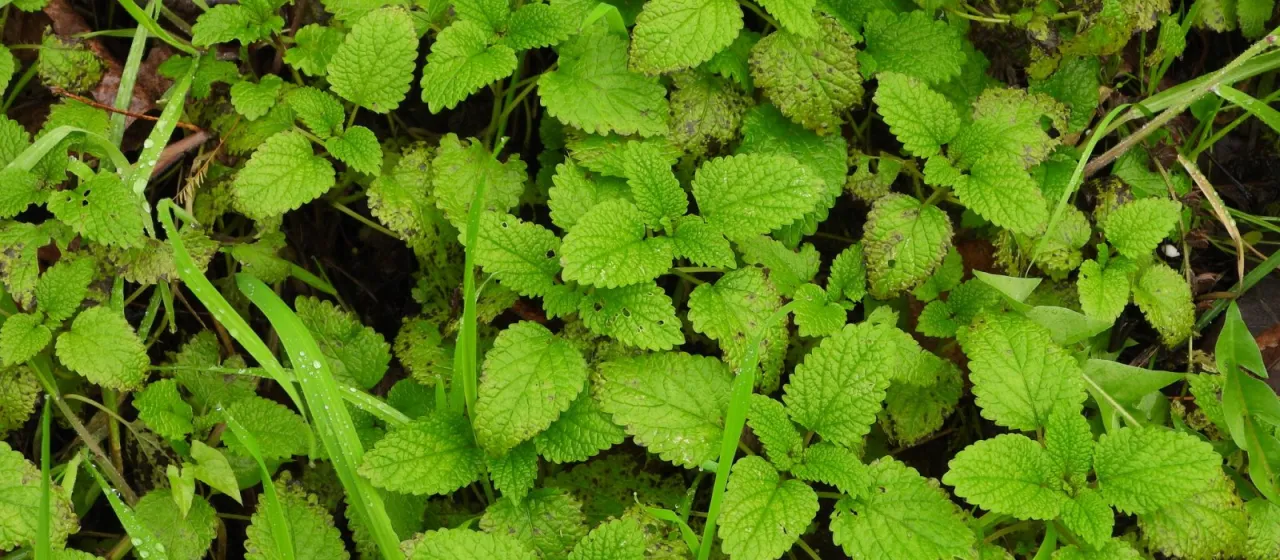
Description
Lemon balm (Melissa officinalis L.) is a perennial herbaceous plant belonging to the Lamiaceae family. It is widely recognized for its characteristic lemon scent and is cultivated globally for its essential oils, medicinal properties, and culinary applications. As an agricultural crop, it is valued for its hardiness and versatility in various climates.
The plant originates from the Mediterranean region but has naturalized throughout much of Europe, Western Asia, and North America. It is a thermophilic plant that thrives in sunny locations with well-drained, fertile soil. Commercially, it is treated as a semi-permanent crop, typically remaining productive for several years before the site requires replanting or rejuvenation.
Botanically, lemon balm forms a bushy plant reaching heights of 50 to 120 cm. Its leaves are heart-shaped or ovate with serrated margins, while the small, nectar-rich flowers are typically white, pale yellow, or light purple. The root system is fibrous and deep, allowing the plant to survive moderately dry periods once fully established in the field.
Successful cultivation requires careful field preparation, including the incorporation of organic matter and proper weed control during the seedling stage. The crop prefers neutral soil pH levels and sufficient moisture without waterlogging.
- Sowing should be done in early spring or autumn.
- Optimal spacing is required to ensure good air circulation.
- Regular irrigation is critical for maximizing green mass yield.
The main agricultural applications for Melissa officinalis include the extraction of essential oils for the fragrance industry, drying of leaves for herbal medicine, and use in the food and beverage sectors as a natural flavoring. Protection against pests such as aphids and leaf beetles, as well as preventing fungal diseases like root rot and rust, is essential for maintaining high-quality commercial yields.