
Bittercress
Barbarea vulgaris R. Br.
Description
Bittercress, known scientifically as Barbarea vulgaris, is a biennial or perennial herbaceous plant belonging to the Brassicaceae family. While traditionally categorized as an invasive weed in many cropping systems, it is increasingly recognized for its potential as a winter-hardy oilseed crop and a sustainable source of biomass.
The plant originates from Europe and parts of Western Asia but has successfully naturalized across North America. Its adaptability to diverse environmental conditions, including varying soil types and levels of moisture, makes it a resilient species capable of flourishing where other sensitive crops might struggle.
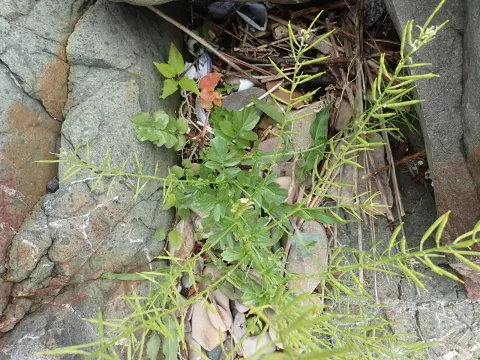
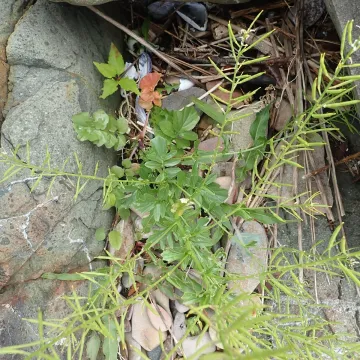
Botanically, Barbarea vulgaris is characterized by a strong taproot, glabrous branched stems, and lyrate basal leaves. Its bright yellow flowers, produced in dense racemes, make it an important early-season nectar source for pollinators. The seeds contain high levels of oil, which is suitable for industrial applications and potential biofuel production.
Agronomically, the plant demands minimal inputs compared to conventional oilseeds. It thrives in well-drained, fertile soils with a neutral pH. The primary management strategy involves timely sowing and ensuring competitive density to suppress undesired weeds. Its high winter hardiness allows it to be established in autumn and harvested in early summer.
Agricultural challenges include the vulnerability to typical Brassicaceae pests, such as flea beetles and diamondback moths. Effective crop protection strategies should focus on integrated pest management (IPM) to minimize chemical reliance. Proper crop rotation is essential to prevent the accumulation of soil-borne pathogens like clubroot.
Photo gallery