Barringtonia asiatica
Barringtonia asiatica
Description
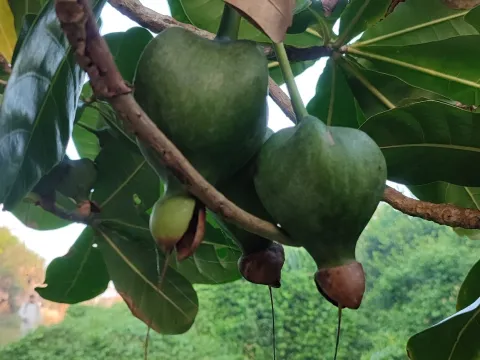
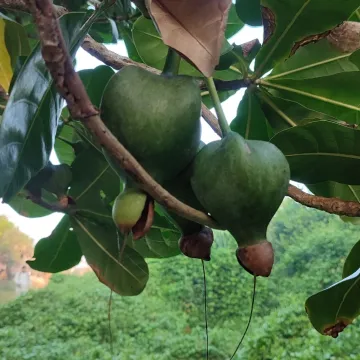
Barringtonia asiatica is a large evergreen tree belonging to the family Lecythidaceae. It is widely recognized for its impressive canopy, leathery foliage, and distinct, fragrant flowers that feature prominent, long, pinkish-white stamens. These flowers often open at night, attracting pollinators such as moths and bats, before falling the following day.
The species originates from the tropical coastal regions of the Indian and Pacific Oceans. It is a classic example of a beach-adapted plant, exhibiting high tolerance to salt spray and saline soil conditions. Its seeds are buoyant, allowing them to travel long distances across ocean currents, which has facilitated the natural spread of the tree across various tropical islands.
For optimal cultivation, the species requires a warm, humid climate without significant seasonal temperature fluctuations. While it is hardy in coastal zones, cultivation in non-native inland areas requires well-drained, nutrient-rich soil and consistent moisture. Propagation is typically achieved via seed, which should be planted shortly after dispersal to ensure high germination rates.
Economically, the tree is famously known as the "fish poison tree." The seeds and bark contain high concentrations of saponins, which were historically used by indigenous communities to stun fish for easier capture. Beyond its piscicidal use, the tree is valued in landscaping for its ornamental flowers and its ability to act as a windbreak and soil stabilizer in coastal land management.
In terms of plant health, Barringtonia asiatica is generally resilient, but it can be susceptible to scale insects and leaf-spotting fungi, especially in areas with poor ventilation. Regular maintenance, including the removal of dead wood and the monitoring of foliage for signs of pest infestation, is recommended to keep the trees healthy and productive in both wild and cultivated settings.
Photo gallery