Barringtonia macrostachya
Barringtonia macrostachya
Description
Barringtonia macrostachya is a tropical evergreen tree species belonging to the Lecythidaceae family. Recognized for its unique morphological features and ecological adaptability, this plant plays a significant role in tropical forest ecosystems and holds potential for sustainable agricultural utilization in humid, frost-free environments.
The species is native to the tropical regions of Southeast Asia and parts of Oceania. It thrives naturally in humid rainforests and along riparian corridors, where the soil remains consistently moist. The cultivation range is strictly confined to tropical zones, as the plant cannot withstand low temperatures or prolonged periods of drought, which inhibit its physiological processes.
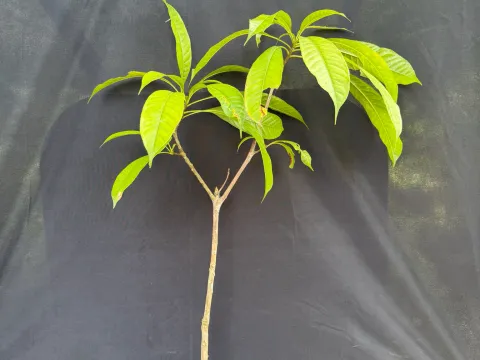
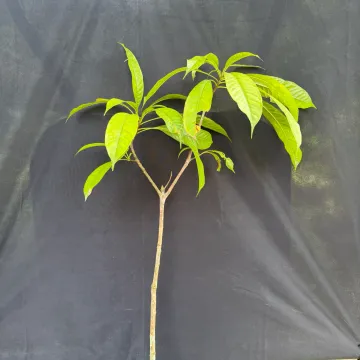
Botanically, the tree is characterized by large, glossy leaves and distinctive pendulous racemes, which are long, flower-bearing spikes. The flowers exhibit long, prominent stamens that are characteristic of the Lecythidaceae family, specifically adapted for attraction of nocturnal pollinators. The tree develops into a robust structure, providing high canopy cover in its native habitat.
Successful cultivation requires specific soil and climate conditions, emphasizing the need for well-draining yet moisture-retentive substrate, preferably with a slightly acidic profile. Agricultural management involves consistent irrigation practices and organic mulching to protect the root zone from evaporation. Protection from harsh, drying winds is essential for the healthy development of foliage.
- Thermal requirement: Stable tropical temperatures (22–30°C).
- Light exposure: Partial shade to filtered sunlight.
- Propagation: Primarily via fresh seeds.
- Soil type: Nutrient-rich, well-aerated sandy loam.
Economically, Barringtonia macrostachya is valued for its potential medicinal properties and as a source of natural compounds used in local traditional pest management. Research into its chemical composition continues, suggesting that the plant could be integrated into agroforestry systems to support natural insect control and soil conservation in tropical farming communities.
Photo gallery