
Description
Manilkara bidentata, commonly known as Beef Wood or Balata, is a large evergreen tree species belonging to the Sapotaceae family. It is recognized for its significant ecological and economic importance in tropical regions. The tree can reach heights of 45 meters, characterized by a straight, cylindrical trunk and a dense, dark green canopy.
The species is native to the Caribbean, South America, and Central America, thriving in rainforest environments. Its geographic distribution is strictly linked to areas with high annual rainfall and consistently warm temperatures. As a tropical crop, it requires a specific microclimate that mimics its natural forest habitat to achieve optimal growth rates.
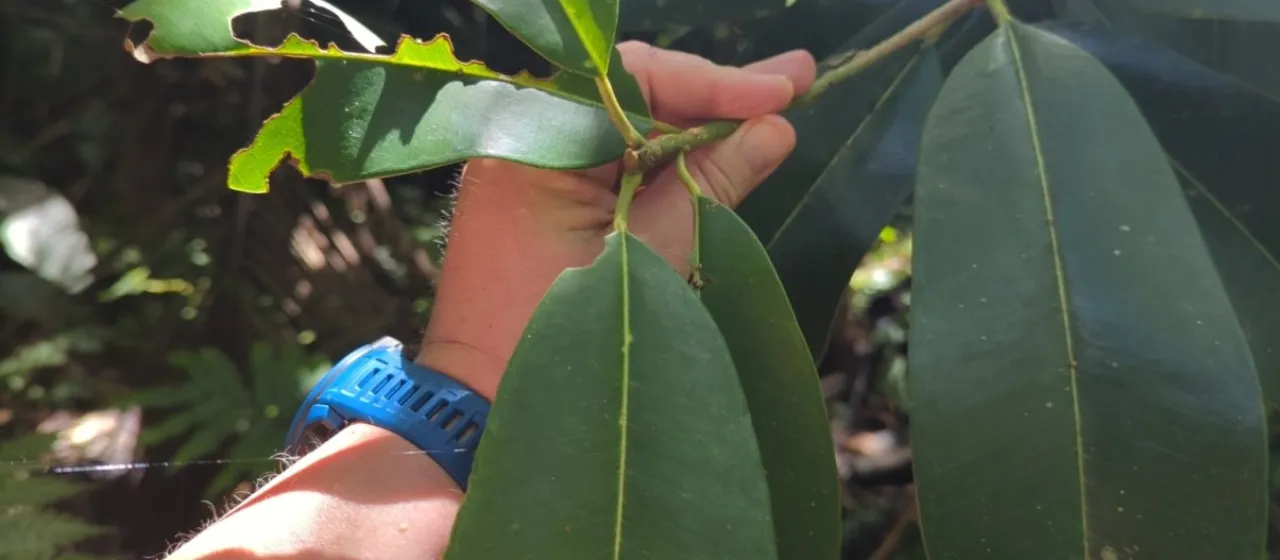
Botanically, Manilkara bidentata is defined by its simple, leathery, alternate leaves and small, fragrant blossoms. The tree produces small, round, fleshy fruits containing one or more seeds, which are highly attractive to birds and mammals, facilitating seed dispersal. The wood itself is extremely dense, often described as having a blood-red color, hence the name Beef Wood.
Regarding cultivation requirements, the tree demands deep, well-draining, and nutrient-rich soils. It is sensitive to waterlogging, which can lead to root diseases. Young trees are shade-tolerant, making them suitable for agroforestry systems where they can be integrated with other native species. Maintenance requires careful monitoring to ensure that competition for light does not hinder the young saplings.
The commercial and practical applications are diverse:
- Production of Balata latex, a non-elastic gum used historically for golf ball coatings and industrial insulation.
- Harvesting of high-density timber, used for flooring, heavy-duty furniture, and bridge building due to its rot resistance.
- Consumption of the edible pulp of the fruits by local communities.
- Utilization in sustainable reforestation projects to restore degraded tropical landscapes.
Common pests and diseases include root-rot pathogens, particularly in areas with poor drainage, and various wood-boring beetles that may damage the trunk. Effective crop management involves integrated pest management (IPM) practices, such as maintaining healthy stand density and removing infected materials to prevent the spread of diseases within the plantation.